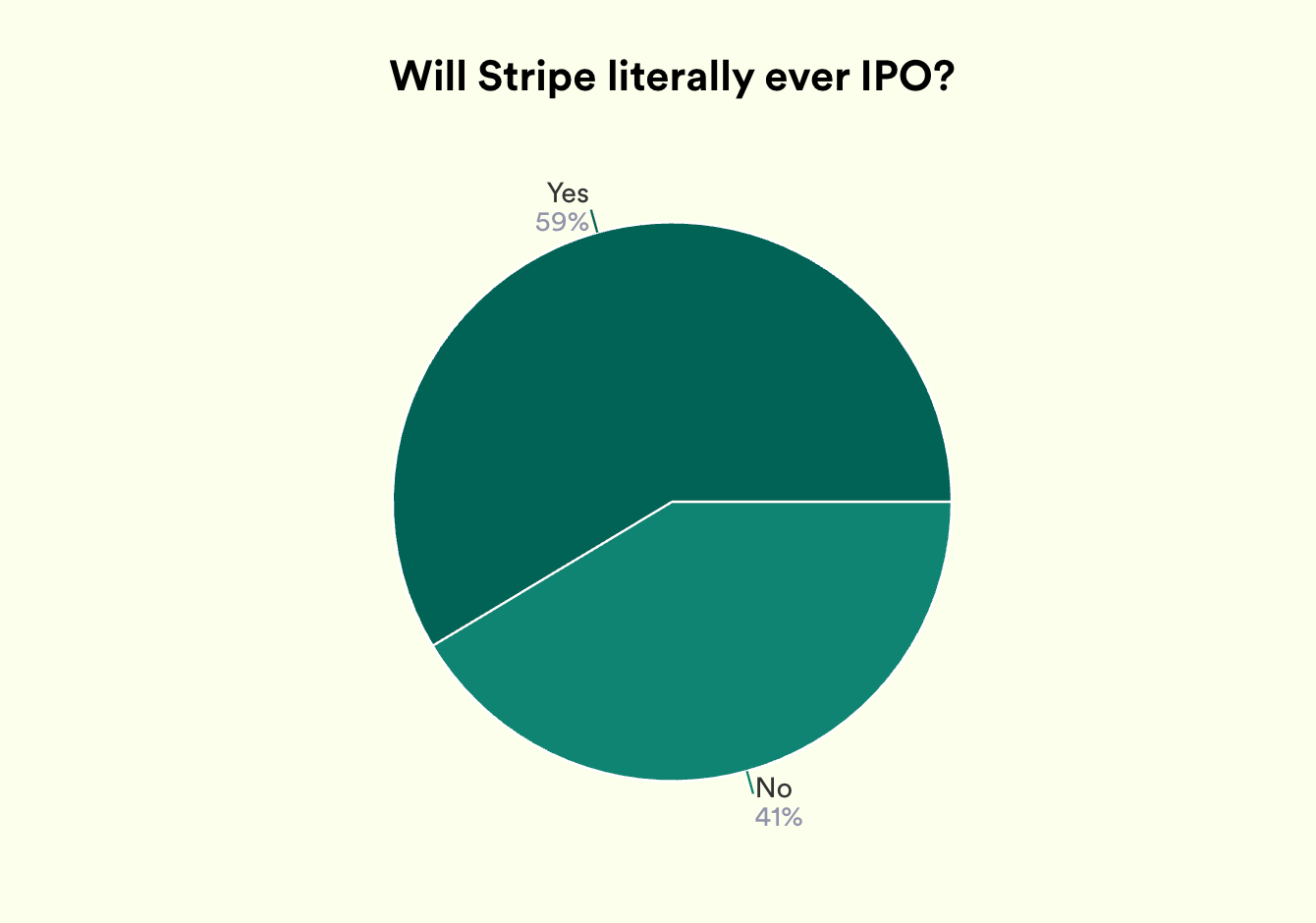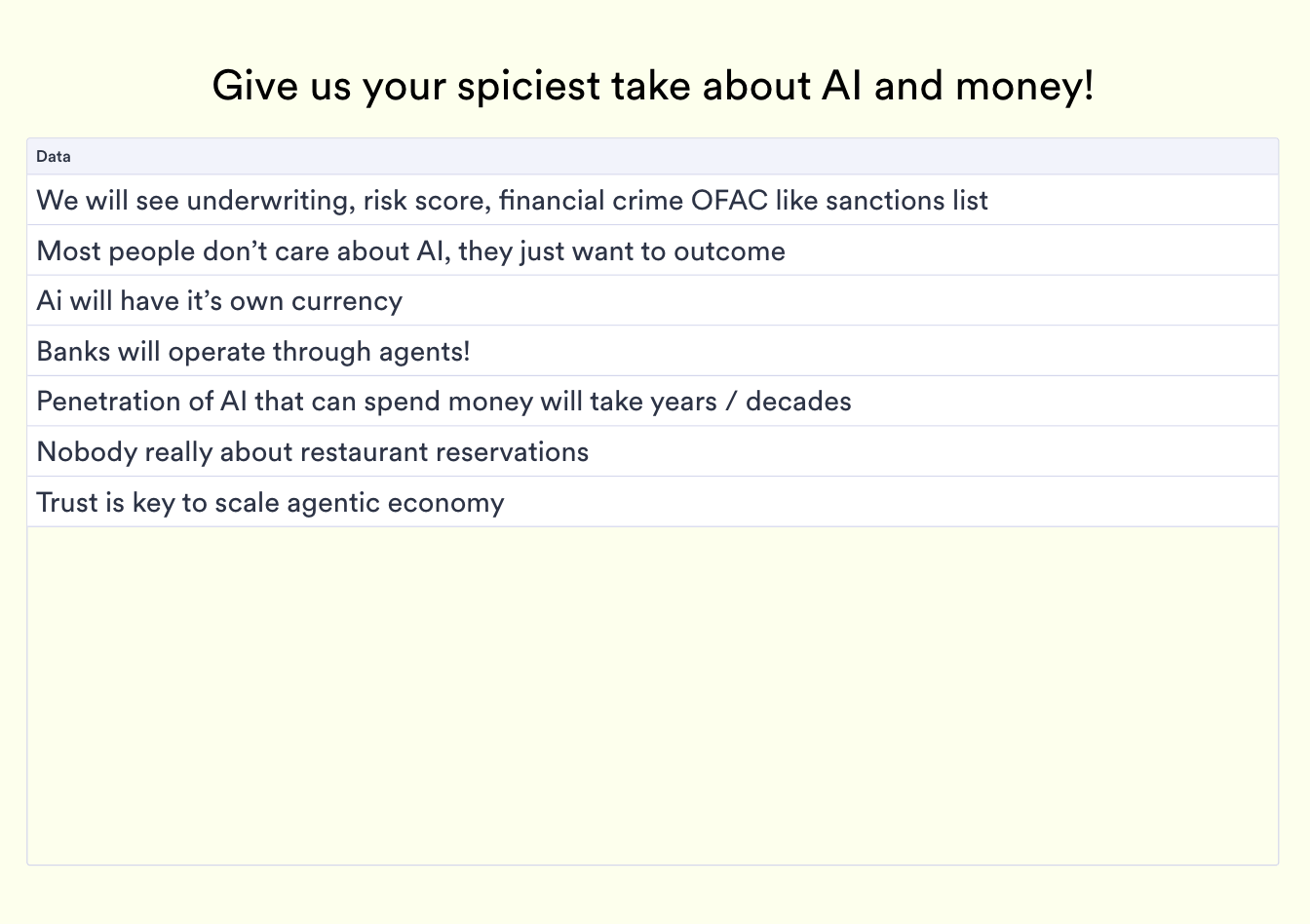
Personal agents were the talk of our Machine Earning AI Summit in San Francisco on Tuesday as founders, investors, and operators working at the forefront of AI debated how it will change finance and commerce. The manic enthusiasm for agentic commerce was tempered only by the recognition that when it comes to people handing over financial decisions to AI, it is still early days.
We also surveyed our audience of fintech and AI insiders and gathered a trove of anonymous hot takes. Readers can scroll down to see the results (it will be too long of a post for your inbox, so click here to see them).
Key Takeaways from Machine Earning
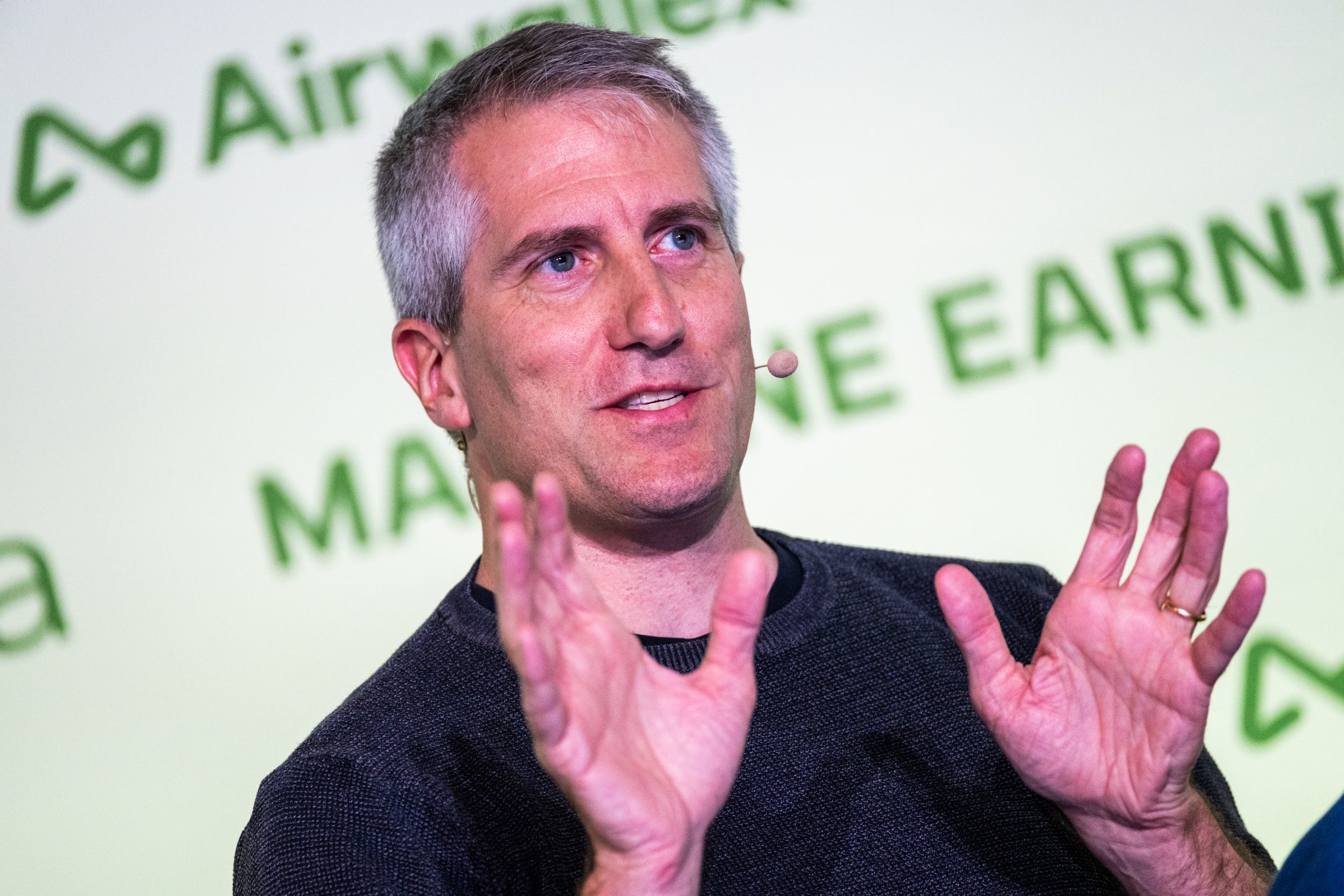
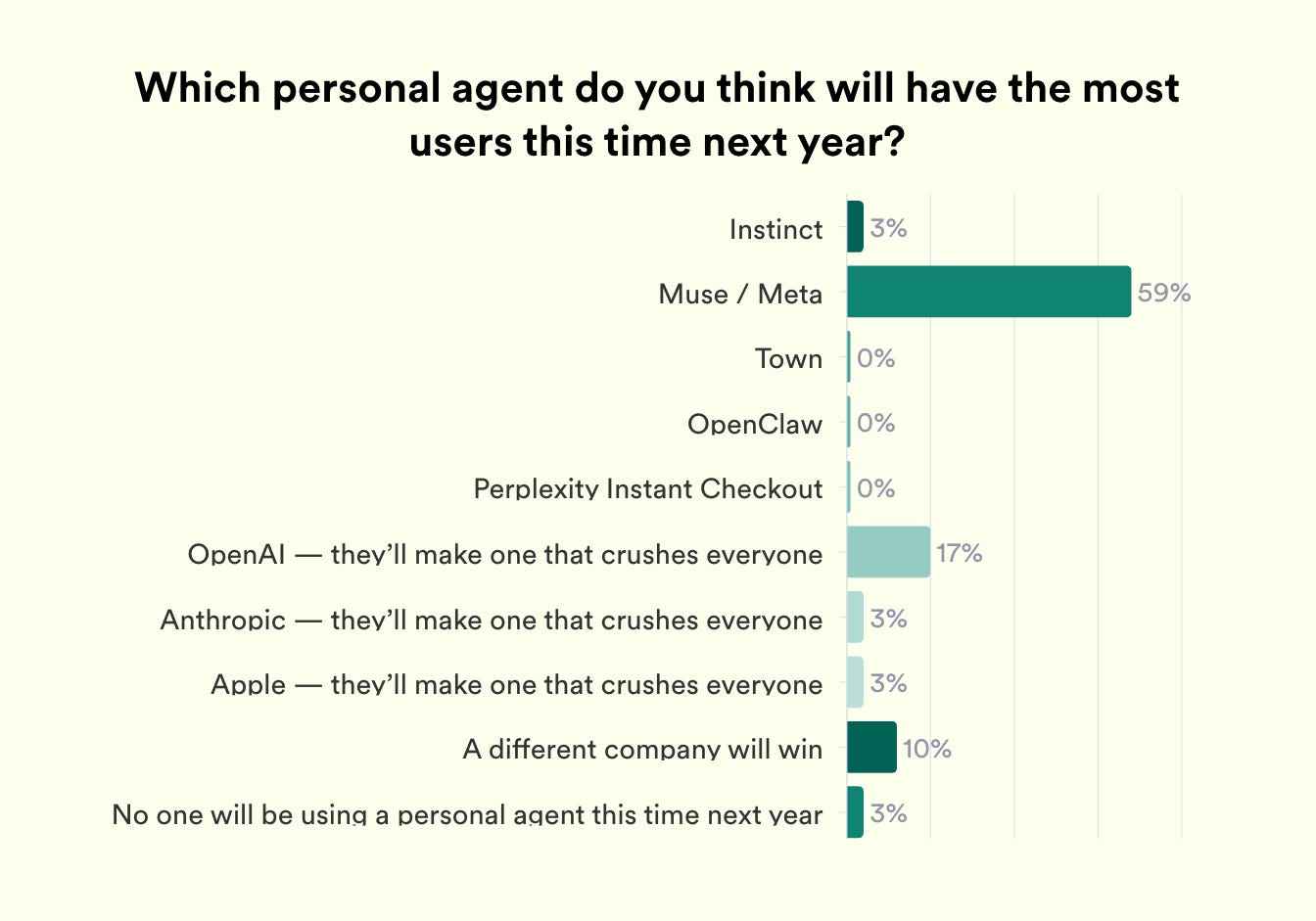
The Personal Agent Race is Heating Up Fast: Agents were the hottest topic by far throughout the day, which also saw OpenAI announce its own personal assistant, Dots, at its developer day event across town. Town founder and CEO Jean-Denis Greze predicted that within a year, people will spend 40% of their digital time at work using an assistant instead of directly accessing apps and websites, and that that figure would reach 90% within five years. He sees assistants as business applications, though, calling the consumer business “a market to zero” because regular people rarely pay for software. Instinct, of course, would disagree: the hottest of the agent startups came up in more than half the talks at Machine Earning, but there was skepticism about its ability to retain the rapid growth that earned it a $10 billion valuation without access to more compute. Muse won out in our audience survey as the most likely success, with 52% voting that it will have the highest market share of any agent in a year. Yet there may not be a single winner, as Browserbase CEO Paul Klein IV pointed out. “My bet is that there’s going to be many different types of personal agent companies,” he said. Sapiom founder Ilan Zerbib argued the real volume will come from a trillion agents paying for APIs and software, not consumers booking trips. A16z general partner Anish Acharya expects that personal agents fine-tuned for specific industries will earn a fair share of the market, too: “The horizontal agents are going to hire the vertical agents to do things. Not enough people are building there.” One survey respondent was bearish on the idea that getting hot tables at restaurants will translate into a sticky use-case, writing “Nobody really cares about restaurant reservations.”
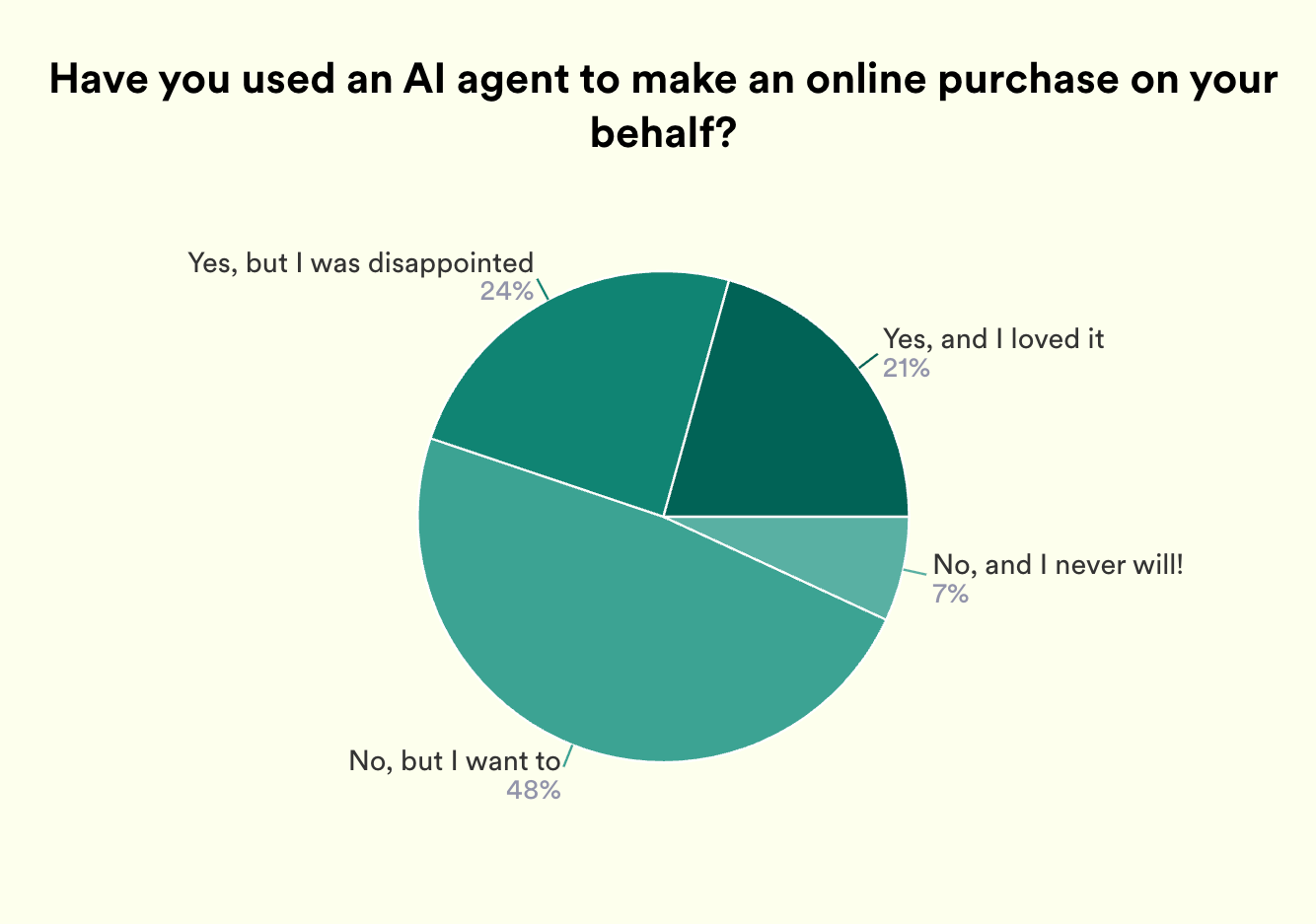
Even Our Agent-Pilled Audience Wants More Control: Agentic shopping is far from ready for prime time. Zerbib saw his own agent making rogue moves: when he asked it to help find a nice hotel for an upcoming trip to Tokyo, it went ahead and booked three nights at a luxury property without getting his permission. The industry is starting to build guardrails: Omer Ismail said his OnePay has “spend pockets” that cap what an agent can do, while Klein IV said Browserbase is building a policy engine that lets an agent log into a website and look around without letting it buy anything. Max Rhodes of Faire, which is building a marketplace for small businesses, believes that retailers won’t hand over the keys for stocking their stores to agents anytime soon. Chime co-founder Ryan King argued that consumers feel similarly and are not yet comfortable entrusting AI to make purchases directly for them, even if they do trust it to help with budgeting or financial advice.
Someone Has to Be Responsible for Rogue Agents: Katie Haun, founder of Haun Ventures and a former federal prosecutor, predicted the courts, not Congress, will draw the lines on liability for bad agent behavior, with user intent tested case by case. That’s good news for individual users. “The government doesn’t want to go after an individual user; it will go after a bigger fish — they don’t usually go after the drug mule, they go after the sources of supply,” said Haun. Lead Bank CEO Jackie Reses said she’s spent weeks in Washington pitching her company’s new 30-page regulatory framework on agent identity, liability, and recourse.
AI Is Reworking the Office of the CFO: Finance teams are already all in on AI, with Gusto CFO Mike Taylor describing how he moved forecasting from Excel to Python and cut his team’s monthly work by half, from 14 days to 7. At OnePay, an internal anti-money laundering agent is doing compliance work that had once taken 300 to 400 hours in just 15 to 20 minutes. Airwallex CFO Pranav Sood warned that agents will punish companies that rely on sticky customers — a view that played out recently in a “consumer inertia” trade on Wall Street that hit banks and subscription businesses.
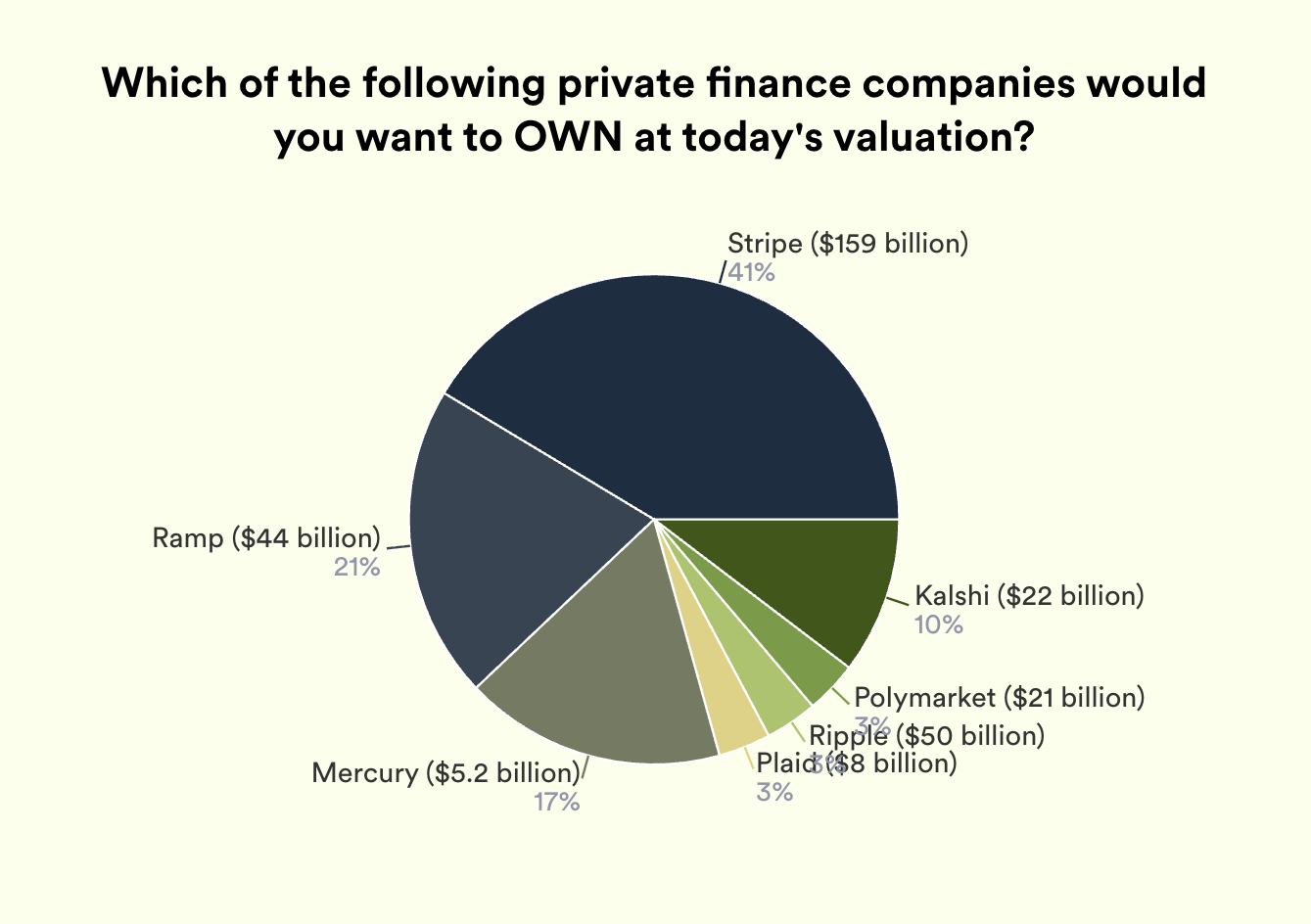
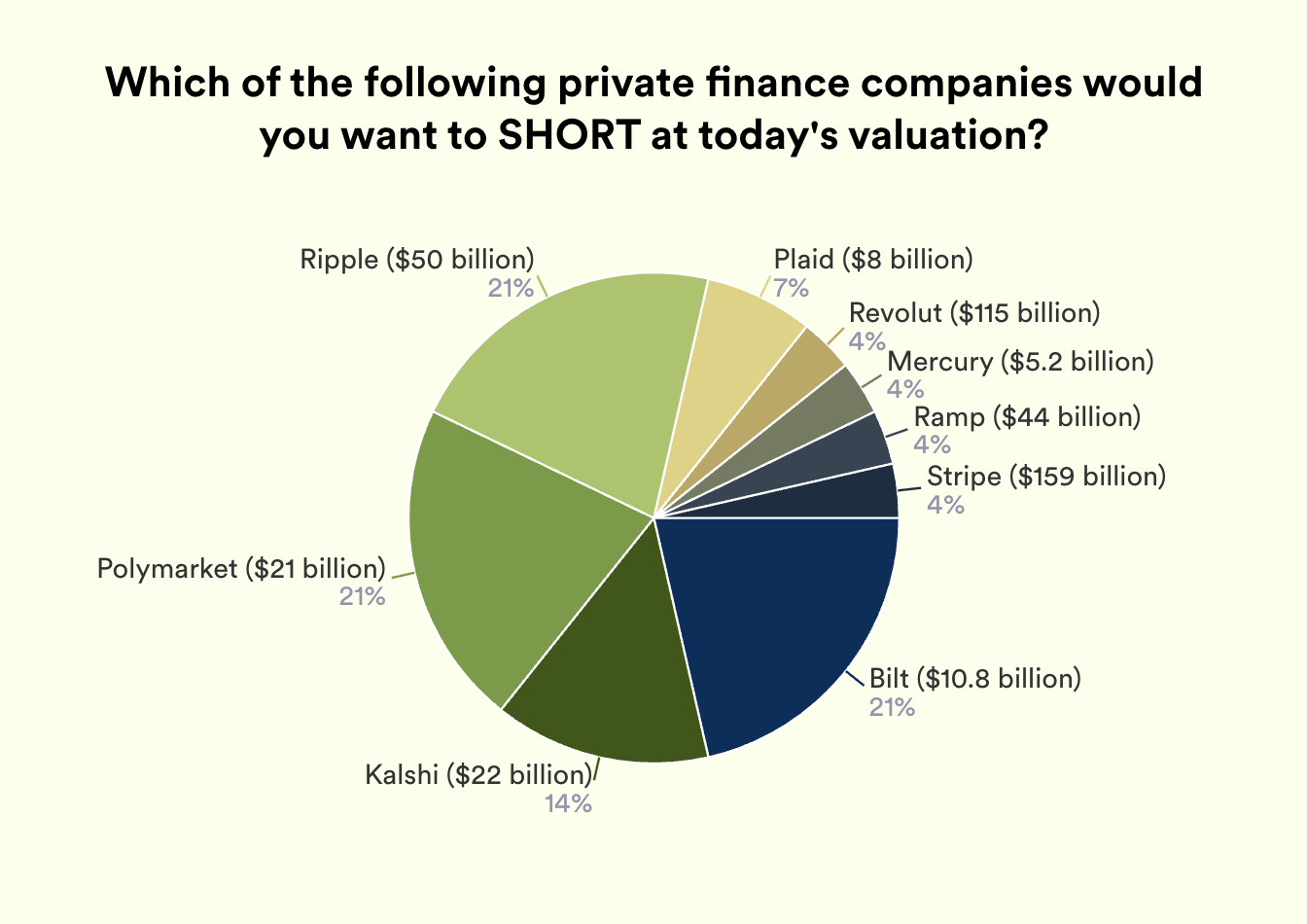
The Crowd Remained Bullish on Big Fintechs: 43% of our survey respondents said they would want to own Stripe shares, even at its enormous $159 billion price tag, while 22% said they would buy Ramp at $44 billion. Responses on whose shares they would short were more evenly divided, with 23% saying Ripple, 18% citing Polymarket and Bilt, and 14% voting for Kalshi.
Prediction Markets Face Regulatory Headwinds: Predictions markets faced some skepticism that they were worth their current valuations in our survey. Haun acknowledged regulators are almost certainly going to take a more active role in these businesses. She predicted that the Supreme Court will rule against prediction markets if they take up the current case against Kalshi, in which appeals courts have ruled that the platform should be subject to state sports betting regulations. She said she still remained “very excited” about the category, despite legal uncertainties.
A huge thanks to our sponsors Airwallex, Exa, Nebius, Lead Bank, and OnePay for making it all possible.
Scroll down for the full rundown of our on-stage conversations.
New Frontiers in Legal Liability: Determining an Agent’s ‘Intent’
Katie Haun kicked off the first panel of the day with an acknowledgement of how far digital payments rails have come in just a few years. Banker’s hours and wire limits are quickly becoming a thing of the past — neobanks like Palmer Luckey’s Erebor can process transactions 24/7. Haun made the oft-cited claim in the crypto industry that stablecoins have outpaced all of Visa in total transactions this year — technically true, but most of that is crypto trading activity rather than payments. Still, stablecoins have become the rails of choice for agents spending money online, and she argued that they will be the default mechanism for AI agents to move money and engage in financial transactions.
Haun argued that there are many parallels between AI’s rapid growth and regulatory hurdles and what the crypto industry is facing in Washington. Like crypto startups, AI companies seem unprepared for public backlash, with AI data centers facing similar water use complaints from local constituents that crypto companies faced in 2014, she noted.
Regulations aside, the judicial system isn’t prepared for how to rule on cases involving individual intent in an age of agents, said Haun, who spent her early career as a federal prosecutor going after organized crime rings and drug gangs.
She predicted a framework where individuals may not face the blame for their agents’ unauthorized actions, although it could get complicated very quickly in determining whether a person knew ahead of time that their agent would be breaking the law.
The End of Walled Gardens
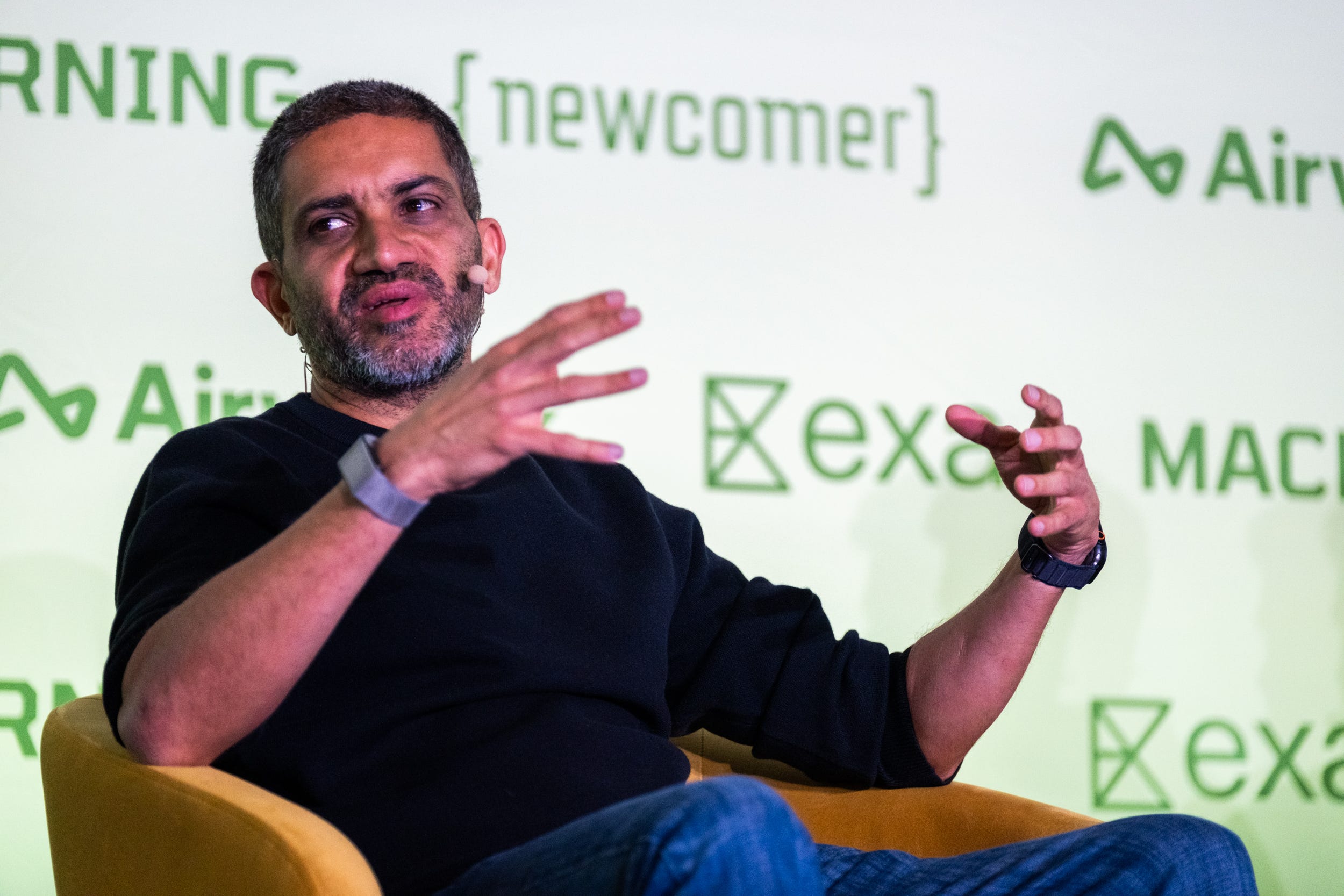
Walled gardens will not work as AI agents proliferate, according to Omer Ismail, CEO of OnePay, a banking platform backed by Walmart and Ribbit Capital. The company started as a wallet and loan utility for internal Walmart use but is now broadening its mandate with the AI revolution.
“The last 50-70 years was about getting customers to financial services. [Today] you have to meet the customer where they are,” Ismail said. AI agents like Instinct and Muse will be all over the internet, and banking platforms need to follow.
To that end, he says, OnePay is integrated inside ChatGPT and it is one of the top financial services apps.
Because AI agents require so much data to perform at their best, they create privacy and safety concerns, which Ismail says can be overcome by setting a separate “pocket” capping how much an agent can spend, to curtail “damage.”
Agents for B2B Commerce

Sapiom founder Ilan Zerbib and Browserbase founder and CEO Paul Klein argued that the big opportunity lies in agents that transact on behalf of businesses. Browserbase provides the infrastructure that lets agents use websites, and Sapiom builds the financial rails that let them pay for things. Klein said agents will take over back-office work like accounts payable and receivables, and some companies are already trusting them with large purchases. One Browserbase customer recently had an agent make a $300,000 purchase with a credit card, he said.
Companies and consumers need controls to make sure every transaction is authorized, Zerbib said. Klein noted that when agents log into a system on behalf of a user, it shouldn’t inherit all of its user’s privileges.
Zerbib estimated that an always-on personal assistant costs about $10 a day to run today. That price has to fall substantially before such products can scale to the size investors want to see.
CFOs Embrace Smart Money
AI is beginning to change how CFOs manage their responsibilities. CFOs Pranav Sood and Mike Taylor both said they have integrated AI tools at their companies to much success.
Taylor said that Gusto has hit more than $1 billion in trailing revenue — specifying that this was revenue already earned, not ARR. The company has been profitable for about three years. In terms of his own day-to-day work, Taylor said that Claude has “completely changed his role,” and that he now reviews Claude summaries and reports instead of raw spreadsheets for certain tasks.
Airwallex, which was founded in Australia, has grown into a significant global player for moving money internationally for businesses. Sood said it has operations in more than 20 countries and has hit $1.4 billion in annualized revenue. Airwallex launched new Agentic Business Accounts on the same day as the summit, which will create the infrastructure for companies to move money across borders and in different currencies using AI agents.
Yet Airwallex’s dealings abroad have brought in unwanted scrutiny. Investor Keith Rabois has criticized the company’s China connections, and Rep. John Moolenaar, chair of the House Select Committee on China, sent a letter earlier this month asking Treasury Secretary Scott Bessent to assess the risks Airwallex poses. The committee said it hadn’t concluded the company broke any laws.
Sood argued that any financial services company with global ambitions has to operate in Asia, just as Citi, JPMorgan, PayPal, and Stripe do. He said Airwallex has gone beyond compliance standards and gotten outside validation to reassure customers and regulators. He brushed off some criticism as commercially motivated: “What you see on Twitter is somebody who has a commercial interest who sits on [the] board of one of our competitors, making a bunch of allegations.”
Agent Identity in Finance: A Proposal
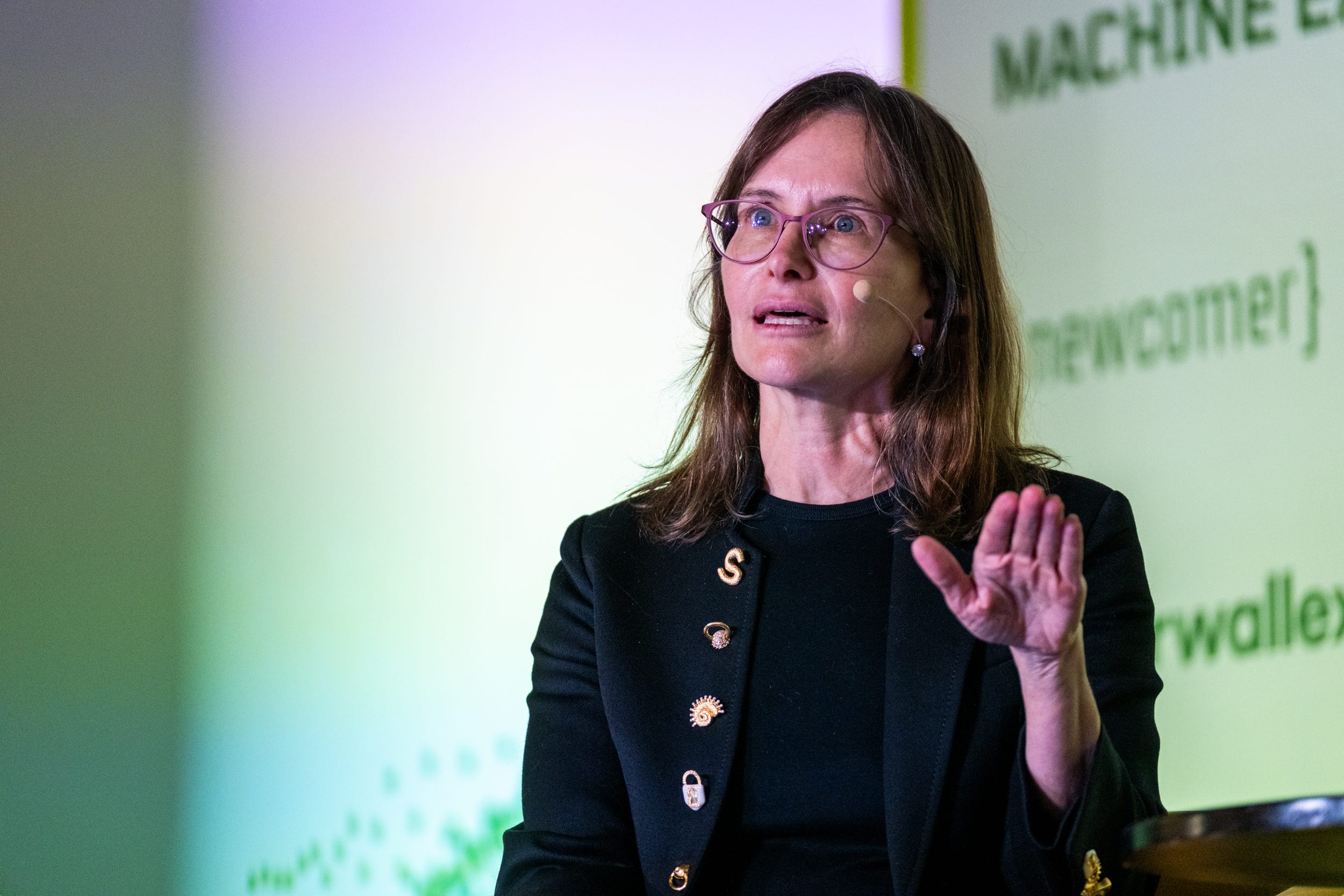
To really make agentic payments work, we’ll need to have the right legal framework in place — and Lead Bank CEO Jackie Reses has strong views on how to do that correctly. Lead’s co-founder and chief legal officer Erica Khalili co-authored a 30-page proposal for how agents should be treated in the financial system, covering identity, liability and recourse. Reses and the team spent the past few weeks presenting it in Washington. Some of the changes could come through regulatory guidance rather than legislation, she said.
She emphasized that it’s still early for agentic payments overall: “Are any of you letting agents unfettered into your bank accounts today? I suspect most of you aren’t,” she asked the room.
There are still too many unknowns around liability. “If a model hallucinates, whose responsibility is that?” She pointed to algorithmic trading as a precedent for writing rules around machines that move money.
Lead Bank, a $4 billion bank whose clients include stablecoin, fintech, and AI companies, will bring in almost $400 million in gross revenue this year and is highly profitable, said Reses.
A16z Sees a Play in ‘Horizontal’ Agents
A16z’s Anish Acharya predicted that the next wave of unicorn startups will come from three areas: industry-specific personal agents, coding agents for small businesses, and AI for entertainment.
Coding agents can be used to make lightweight software and SMB businesses, while personal agents focused on horizontal industries, like in financial services, can absorb liability in a way general-use agents may not, he said. “They can have capabilities like interacting with regulated websites, like applying for loans on your behalf, different personalities. There will be this competitive advantage where the horizontal agents are going to hire the vertical agents to do things. Not enough people are building there.”
He also pointed out that Claude’s Opus 5.5 model improves substantially on gaming and 3D tasks. “Opus 5.5 for games and 3D is as big of a deal as Opus 4.5 was for code. It’s amazing what you can do with it. We may have a big turn on entertainment in the next 12 months.”
Acharya also said companies that want to save consumers money are applying “the wrong framework.”
“The American consumer does not want to spend less. They love spending money. There’s free money: what’s all the money that you’re actually spending on your loan, the money that the government owes you that you haven’t come and collected?”
Purchasing for Businesses Will Require a Human Touch for Now
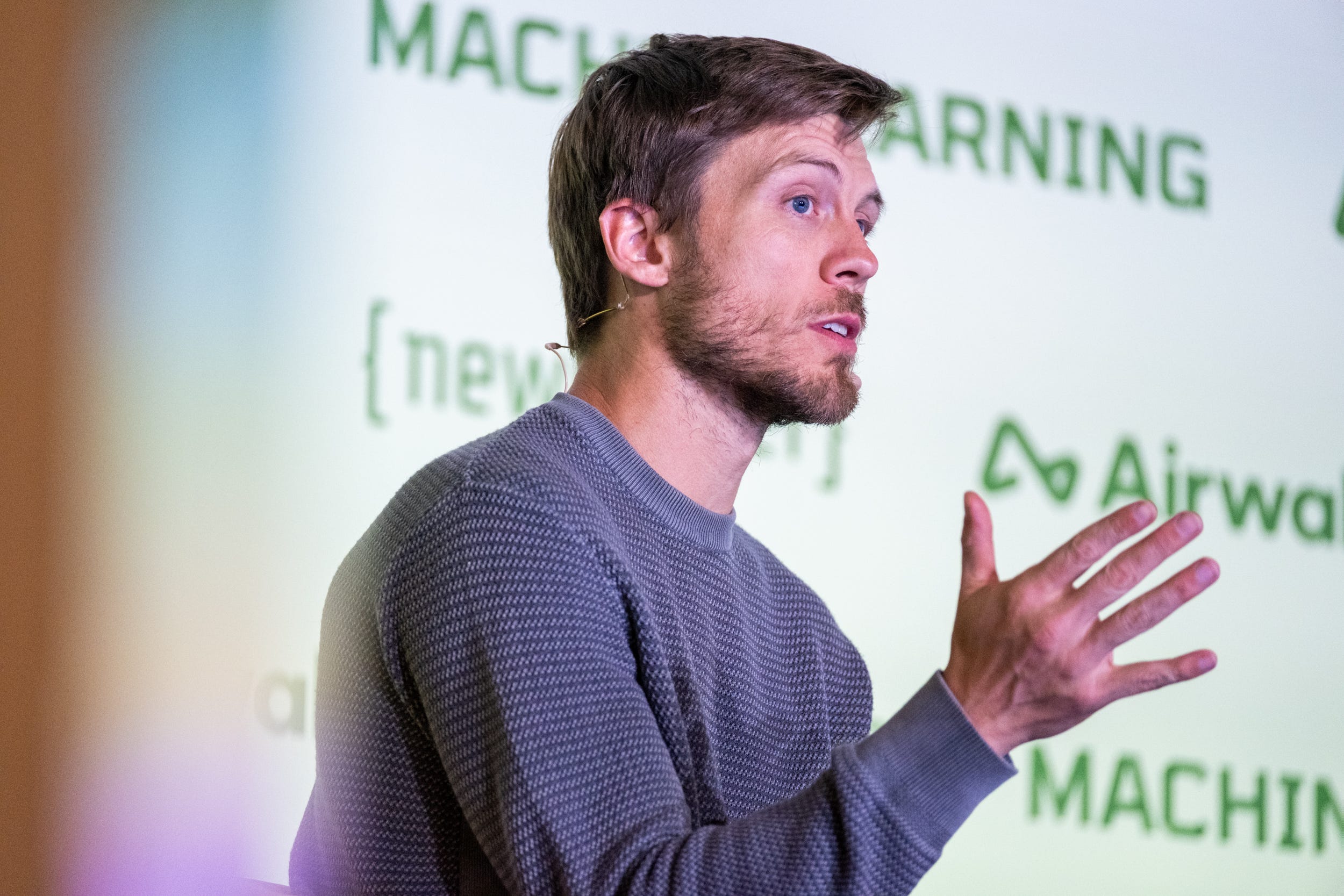
As AI agents start doing more of the shopping, one fear is that they’ll cut marketplaces out of the loop entirely. Max Rhodes, the co-founder and CEO of Faire, isn’t worried. Rhodes, whose wholesale marketplace helps independent retailers stock their shelves, said LLMs will be a critical part of the discovery process for customers shopping on retailers’ websites.
“My expectation is that the things that we’re seeing that LLMs are really good at — the ability to go back and forth, the ability to personalize based on what you’ve told them — those are all things that marketplaces are going to be able to bring in to their experience,” he said.
Still, Rhodes doesn’t expect agents to take over the buying altogether. In his own life, he uses agents for some purchases and not others. When his Peloton cable broke, he was happy to have an agent order a new one. But when he asked one for golf clubs for his daughter, it came back with three options, and he wondered whether they were really the best three. So he went to Amazon to research the purchase himself. “I was able to quickly buy it,” he said. “That is definitely a better experience to me.”
A New Kind of Smart Banking
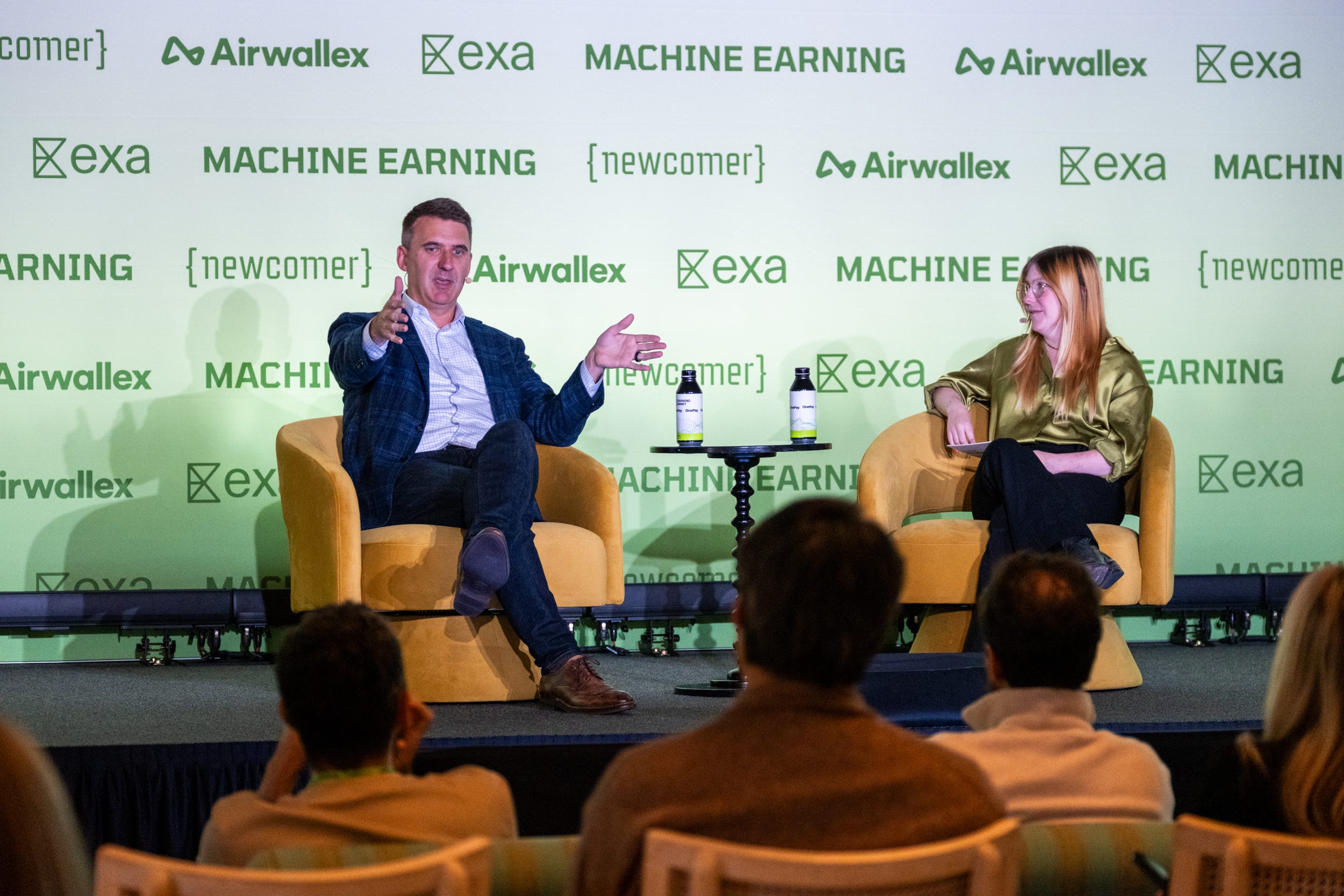
Chime co-founder Ryan King thinks AI agents are about to make the process of customers switching banks much easier. That presents a huge threat to the way big banks have done business for years. “I’ve spent more than a decade of my life creating great products, fighting against the inertia, and now all of a sudden the inertia seems like it might get lowered,” King said.
He said the agents make it easier to switch by judging banks purely on value. If an agent is “intelligent and objective,” he said, “the best products that are most valuable at the lowest cost should rise to the top.”
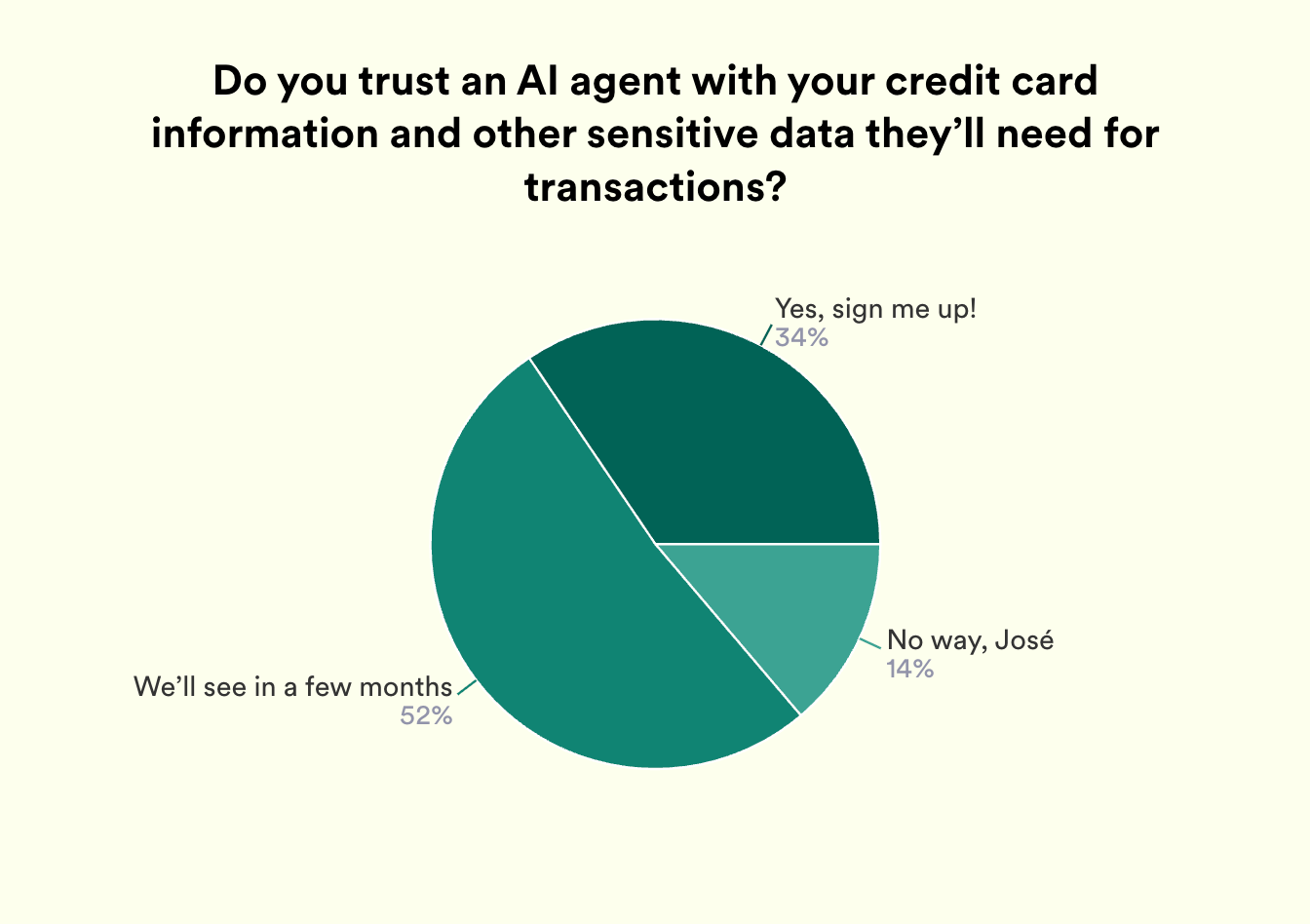
Outside the tech bubble, regular people aren’t comfortable letting AI run their money, he said. Citing the Machine Earning audience poll, he noted that the majority of respondents said they were taking a “wait and see” approach to agentic spending. Chime’s plan is to ease people in. Its AI assistant, Jade, starts with budgets and questions like “where is my money going,” then suggests actions inside the Chime app. Eventually, King said, it will handle anything involving a member’s money, including outside Chime.
“The technology will be ready long before the people’s comfort level is there,” he said.
Trusting Your Personal Agents
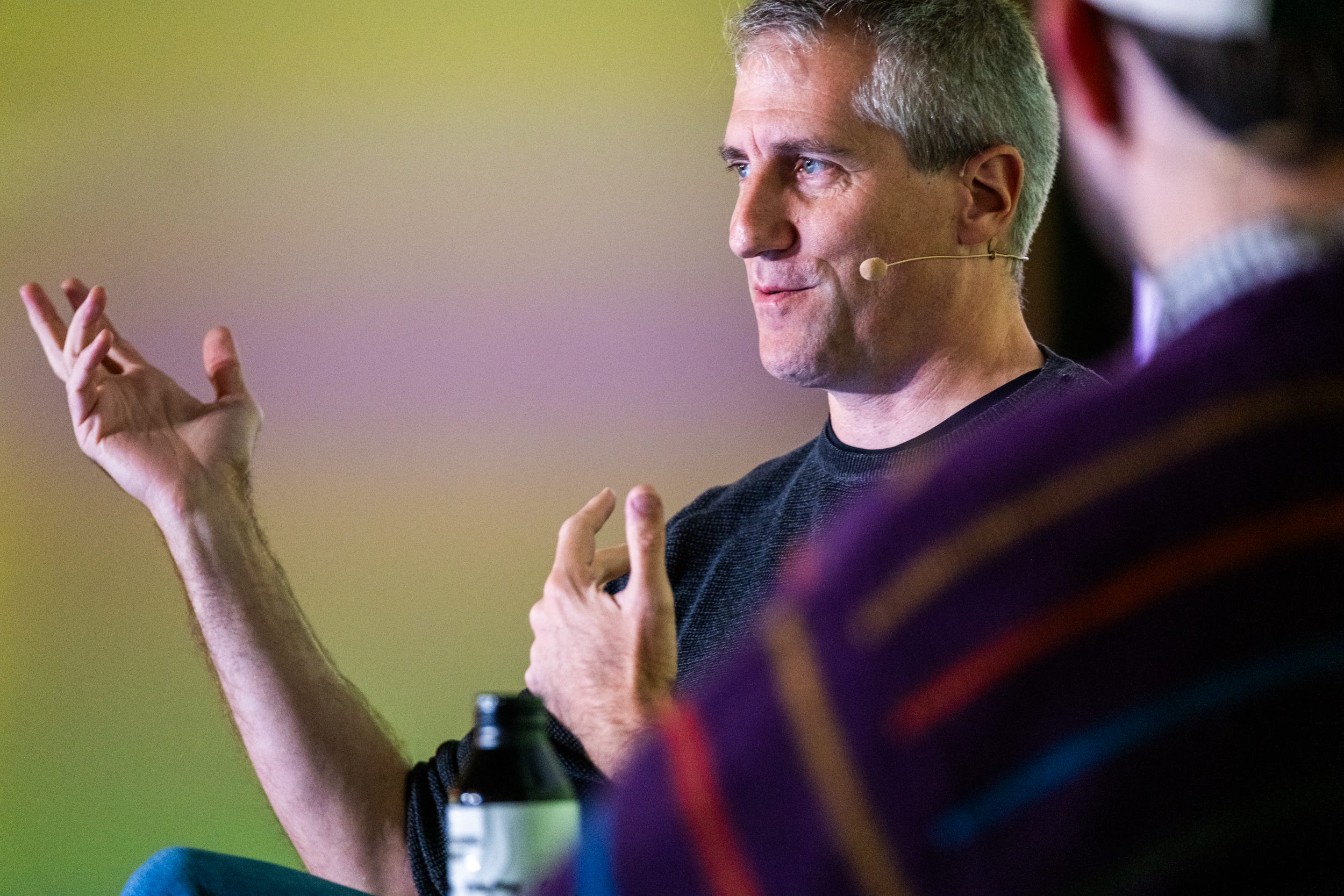
One person who’s not worried about the regulatory or liability risk of agentic commerce is Jean-Denis Greze, co-founder and CEO of Town, the AI assistant for work. Greze says humans will stay in the loop at first, approving purchases before they go through. That will cut down on errant purchases and sidestep the thorny questions of who is liable for a purchase that a customer disputes. And for the mistakes that do slip through they will simply be absorbed by the market as a regular, expected cost, the way credit card fraud is today.
“The only question as a society we have to ask ourselves is, are we willing to bear it?” he said.”I think [disputed purchases] will be less than the fraud in the U.S. today.”
With the agentic AI space getting more crowded by the day, Greze gave Meta credit for Muse, which he called the most polished assistant out there “by far.” He added that it was impressive for a company of Meta’s size to build something of that quality so quickly. He was also impressed by Grok Bot, xAI’s agent product. Instinct, despite its hot start, got a cooler reception. Without naming the company, Greze took a swipe at assistants that ping users with suggestions every couple of days, a signature Instinct feature. “I don’t think you want your thing to be buzzing, suggesting tasks,” he said.
See The Slides from Our Audience Survey