


The Week in Short
AI companies are scrambling for humanities majors and geopolitics experts as they navigate a shifting global landscape. Independent journalist Taylor Lorenz makes the case for the anonymous internet on the podcast. OpenAI, SpaceX, and Meta are all launching new foundation models — with some designed to compete mainly on price. Seed valuations for the top 5% of startups have entered the stratosphere. Chipmaker SambaNova rakes in nine figures. A public twitter spat between USVC and Anduril highlights the precarious nature of SPV share sales. A profile of Andreessen Horowitz’s fixer Mark Dyne highlights the attorney’s behind-the-scenes activities on behalf of multiple high-profile Silicon Valley clients. SpaceX enters the Nasdaq-100 but its shares continue to slide. Fidji Simo steps back from OpenAI.
The Main Item
A ‘Chief Geoeconomics Officer’ Could Be in Your Company’s Future
Artificial intelligence might be taking over coding jobs, but the transformational changes being brought by the technology, combined with epochal geopolitical shifts, are sparking demand for different sorts of skills that haven’t traditionally enjoyed much cachet in Silicon Valley.
Founders and investors who’ve looked down their noses at the humanities are now realizing that political scientists, diplomats, philosophers, psychologists, and a burgeoning category of interdisciplinary “threat analysts” are often needed to cope with the novel issues of this fraught moment.
Mohamed El-Erian, the former PIMCO chief executive and bond market guru, wrote in the New York Times this week that the adversarial economic policies and state capitalism of the Trump Administration aren’t a passing abnormality, but rather a new paradigm for global commerce.
El-Erian foresees “the broader weaponization of tariffs, investment and payment systems against economic rivals. This will be accompanied by a more forceful industrial policy, increased use of export restrictions and mounting pressure on third parties, including the threat of secondary sanctions.”
One of the consequences of that will be the “proliferation of chief geopolitical officers or chief geoeconomic officers as boardrooms integrate rigorous national security and industrial policy issues into their corporate strategies.”
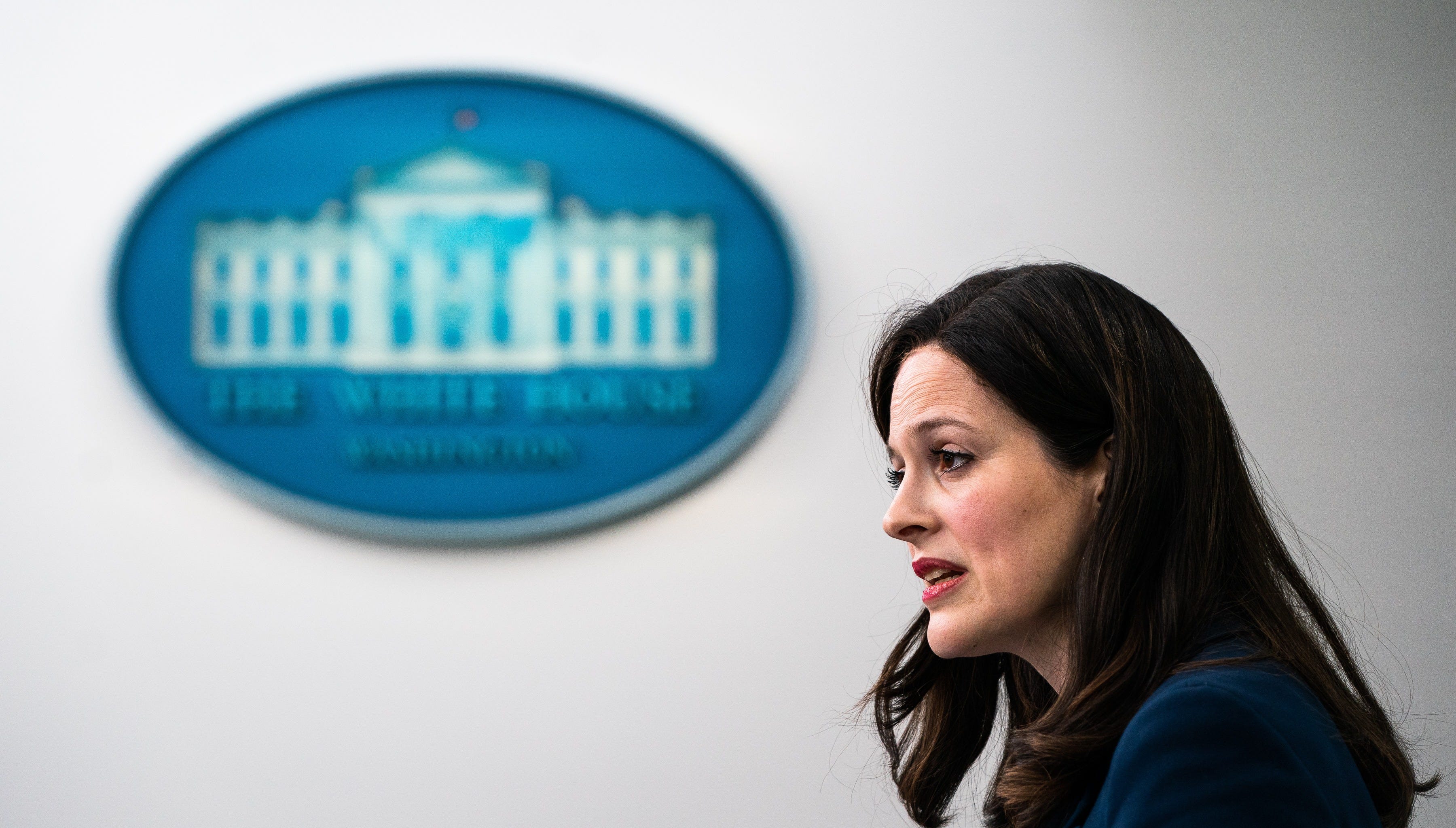
It’s telling that a16z, which has been ahead of the curve in anticipating the importance of politics for tech investors, recently looked past its aversion to all things Democratic and brought on Anne Neuberger, deputy national security director in the Biden administration, as a partner.
It’s not just about building influence in Washington anymore; it’s about understanding an increasingly treacherous global playing field. Neuberger has both an MBA and a graduate degree from the Columbia School of International and Public Affairs, long a training ground for liberal arts majors interested in global politics.
It’s similarly fitting that Wikipedia, buffeted by political attacks at home and abroad, is now run by Bernadette Meehan, a former foreign service officer and ambassador to Chile.
Threat intelligence is more important than ever: however smart and self-improving the latest AI models might be, they aren’t up to the task of fully understanding how they might be used and abused. That’s a job for humans with a diverse set of skills.
A recent Anthropic job posting, to pick one of many examples, reads as follows: “We are looking for a threat intel manager to build and run our Influence Operations & Surveillance team within Threat Intelligence. This team detects, investigates, and disrupts the misuse of Anthropic’s AI systems for influence operations, coordinated inauthentic behavior, and surveillance operations by authoritarian states and the commercial spyware ecosystem.”
Many of the threat intelligence jobs, ironically, look quite similar to those of the “trust & safety” experts that social media companies used to boast about, until that function was tarred as “censorship.” The Trump administration has even tried to categorize trust & safety experience as a disqualifier for immigrant work visas, even as those skills become more valuable than ever.
Experience dealing with foreign governments is also a big asset these days. Teresa Carlson, who cut her teeth in federal sales at Microsoft and then led AWS’s worldwide public sector business, announced this week that she was leaving her position as head of the General Catalyst Institute to be Anthropic’s global head for the public sector.
Then there’s The Revenge of the Philosophy Majors, as the Times deliciously put it this week. (We like it as a company filled with philosophy majors!) The existential questions around AI risks and ethics are urgent, and it’s logical — if still surprising somehow — that people who have spent their careers thinking about these questions would find that their knowledge is now in demand.
All of this gives lie to the dumb and arrogant idea, heavily promoted by David Friedberg of the All-In podcast and endorsed by Elon Musk, that the world can be divided into “makers” and “takers.” At the very least, during the dawn of the AI era, there’s an important place for thinkers too.
Newcomer Podcast
Taylor Lorenz Unfiltered on Social Media, Free Speech & the Surveillance State
New LLMs Debut
Key Facts on the Foundation Model Launches from OpenAI, Meta & xAI
It’s been an unusually crowded release week for the big foundation model labs, with new LLMs for text and agentic tasks, voice, and coding all dropping in the span of a few days.
Here’s a quick breakdown of the new releases: