


The Week in Short
The massive SpaceX IPO, and expected offerings from OpenAI and Anthropic, will depend on retail enthusiasm as markets wobble. Two startup founders from the ET30 list come on the Newcomer Podcast. Snap gets an activist investor, a bit too late. Q1 VC fundraising smashes records, though with asterisks. Defense tech shipbuilder Saronic raises $1.75 billion. Mercor hit by damaging data breach as Anthropic loses some source code. OpenAI buys a tech-friendly talk show. Anthropic buys a biomedical startup. Doug Leone leans back in at Sequoia, taking a new “chairman” title.
AI Public Offerings Face a Down Market. But Fear & Greed May Yet Carry the Day.
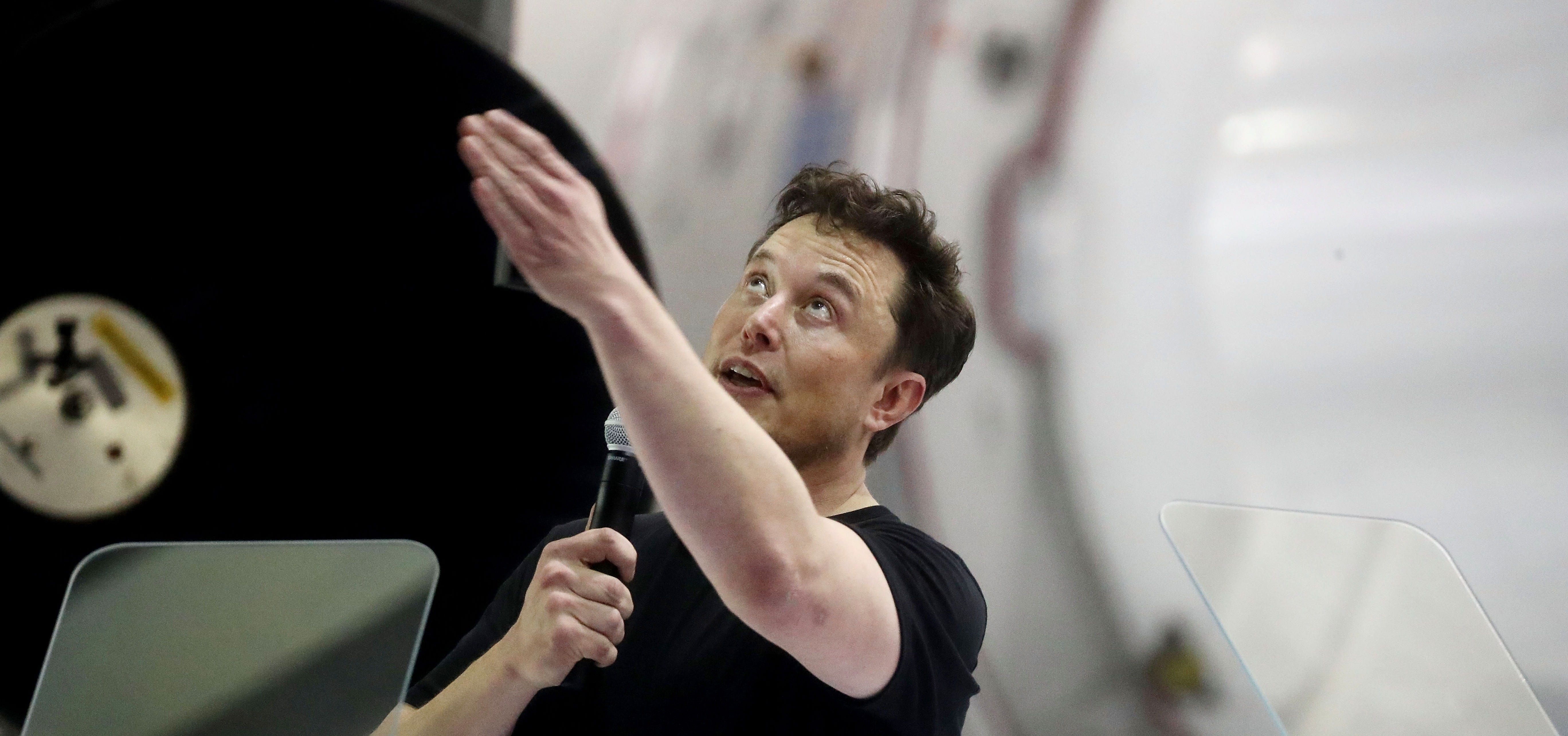
A great paradox of today’s financial markets is that they have never been more heavily weighted towards the biggest players — and never been more dependent on the emotions and fortitude of retail traders.
The prospective IPOs of SpaceX, OpenAI, and Anthropic will put their faith to the test.
By historical market logic, the IPO window is currently closed. It’s always hard if not impossible to go public when stocks are in a down cycle. This year was supposed to be a big one for IPOs, but so far it’s been a bust. A lot of the companies that have managed to get out recently are trading below their offering prices, and the herd of private unicorns seeking an exit remains large.
The appetite for a piece of the top AI companies seems insatiable, even if it comes via an SPV at an inflated price. Private markets are the new public markets, and shrewd (or wealthy) individual investors are finding their way into the hottest trades.
OpenAI, though still private, is now letting them in directly: the extraordinary $122 billion in funding it announced this week included an allocation for wealthy clients of the big investment banks. Elon Musk is looking to cut out the middlemen too. SpaceX, now combined with xAI, confidentially filed its IPO prospectus this week and will be looking to raise $75 billion — the largest IPO ever by a wide margin — while setting aside a third of the shares for retail investors.
Normally, companies want institutions to own most of the shares post-IPO, because they’re less likely to flip for a quick profit. Musk is looking for retail to be that kind of anchor — and why not?
These are not your retail investors of yore. They have seen their irrational loyalty to Tesla — the ultimate meme stock — pay off in big way. They’ve envied those who got in early on Bitcoin. They’ve watched the big VCs tout the AI companies as trillion-dollar winners, and they’re not going to miss out.
This is an era where sports betting and prediction markets sit alongside equities and government bonds in the same apps. Crypto and meme stocks have taught a whole generation that it’s dumb to sell into a downturn and fundamentals are meaningless as long as there’s momentum. Every recent market swoon has been followed by a quick “buy-the-dip” rally.
Institutional investors have now heeded the lessons of Tesla and Bitcoin: don’t fight the crowd, however irrational it looks. They dare not sit out the SpaceX IPO, as The Information reported, and may face similar pressures with OpenAI and Anthropic.
The private capital markets are of course very eager to tap the new-found risk appetite of individual investors. They’ve already gotten the green light to market private equity and VC investments to 401K plans, arguing that everyone should be able to get in on private market gains.
Of course, the sky high IPO valuations mean a lot of the money will already have been made by the time regular retail investors get a crack. They won’t be buying low, but instead will be counting on eventually selling at valuations in the multiple trillions. Similarly, it’s hard to see 401K plans getting an early piece of the next big winners.
The risk, of course, is that the new-style retail investors also run in packs — meme stocks all but depend on it. They are hard to spook (see Tesla), but when sentiment shifts it can go hard in the other direction. Look no further than the current private credit meltdown: retail investors were lured into not-very-liquid products, and when risks emerged and they realized how non-liquid they were, a bank-run dynamic ensued.
Secondary market traders are reporting that OpenAI shares are suddenly wanting for buyers as enthusiasm shifts to Anthropic, another example of volatile sentiment.
Mom and pop investors — or maybe the better simile these days is Robinhood bros — are always at risk of being the greater fools, the ones left holding the bag when a financial mania runs its course. If they lose AI faith, they won’t be the only ones feeling the pain.
Newcomer Podcast
Two Stars of the ET30 Power Rankings
This week we published the ET30 list of the enterprise startups VCs are most excited about in collaboration with the venture capital firm Wing. Eric sat down with two of the top-ranking enterprise tech founders for the latest episode of the Newcomer Podcast.
First up is Han Wang, CEO of Mintlify, the knowledge infrastructure platform that quietly powers the docs for Anthropic, Lovable, and thousands of other companies. We found out their servers crashed overnight because of OpenClaw before Wang even knew what it was.
In the second half, Eric talks to Jesse Zhang, CEO of Decagon, ranked #4 on the late stage list in a category that includes some of the most well funded names in enterprise AI to talk all things voice AI.
It’s two of the most exciting bets in enterprise AI right now, in one episode.
Founder Hubris
Activist Foray at Snap Shows What Got Away
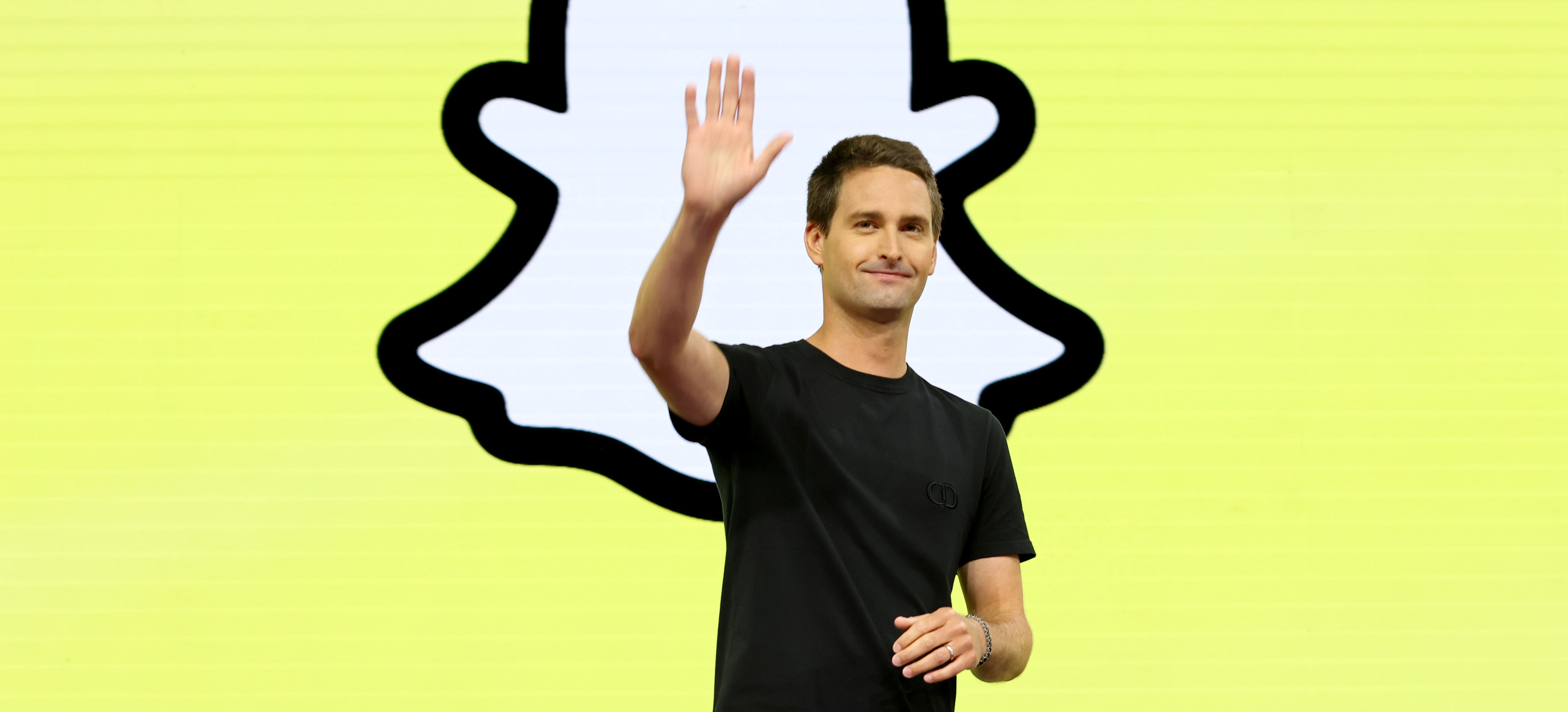
Well, it finally happened.
Snap, the fading star of the social era, has gotten a serious activist investor who wants to shake things up. And they’re taking direct aim at CEO Evan Spiegel and his stable of passion projects and unchecked control.
The activist, Irenic, disclosed this week it bought up 2.5% of the company’s class A shares and has put together an authoritative sounding plan (along with a surprisingly cheery website SaveSnapNow.com) to rescue the company. Irenic has some legitimate credentials in the hedge fund world among its founders, including one from feared activist Elliott Management.
The hedge fund’s core argument is that Snap, at nearly 1 billion monthly users, is one of the few scaled social media companies out there — behind only Meta and TikTok. But the company has profligate side projects and a bloated head count. Meanwhile it argues the app’s users are under-monetized.
The initial demands are for Spiegel to spin out or shut down its struggling AR glasses unit Spectacles. It also wants to cut a big chunk of its employee base, similar to Meta in its quest for efficiency. Down the list Irenic wants to improve corporate governance by giving class A shareholders 1 vote per share. Currently Snap’s Class A public shareholders have no voting rights at all.
Snap as a public stock has been, to put it kindly, a dog. It currently trades at $4.63 a share, well off its pandemic peak at $83 and its 2017 IPO price of $17. The company’s glory days, when its innovative product seemed a threat to Facebook and Instagram’s dominance, are a distant memory.
Spiegel’s vice-like grip over the company’s voting structure has left him completely unchecked and able to pursue idées fixes like Spectacles, which simply do not contribute in a meaningful way. Snap has long been a mirage to investors — Irenic among them — who see its large user base and dream of what could be.
But the deep irony of Irenic’s activist stake is that they’ve admitted their powerlessness themselves: “This is your company,” they write to Spiegel. “We can only attempt to persuade you.” Indeed, the only true option would be a board revolt, which feels unlikely given how personally close Spiegel is to people like board chairman Michael Lynton.
“Snap welcomes input from all shareholders and regularly engages with investors on strategy, capital allocation, and governance,” Lynton told CNBC in a statement.
The story of Snap is ultimately a cautionary tale of how innovation can grow stale in a hyper-competitive space and changing times can leave promising stars by the wayside — especially when their leaders have absolute power. Snapchat still matters insofar as people really do love it as a messaging product. But the company’s story is a sad one. And it feels already written.