


The AI era has produced a strange paradox: no one claims to know what comes next, yet investors are placing enormous bets on outcomes as though they were inevitable.
One of the most consequential is that AI will lay waste to the SaaS industry. Stocks from Salesforce to Adobe to SAP have cratered on the expectation that their products will be rendered obsolete by bespoke, prompt-created agents. It’s a big swing considering no major enterprise has actually slashed its seats with a SaaS vendor yet — but the feeling is it’s a matter of when, not if.
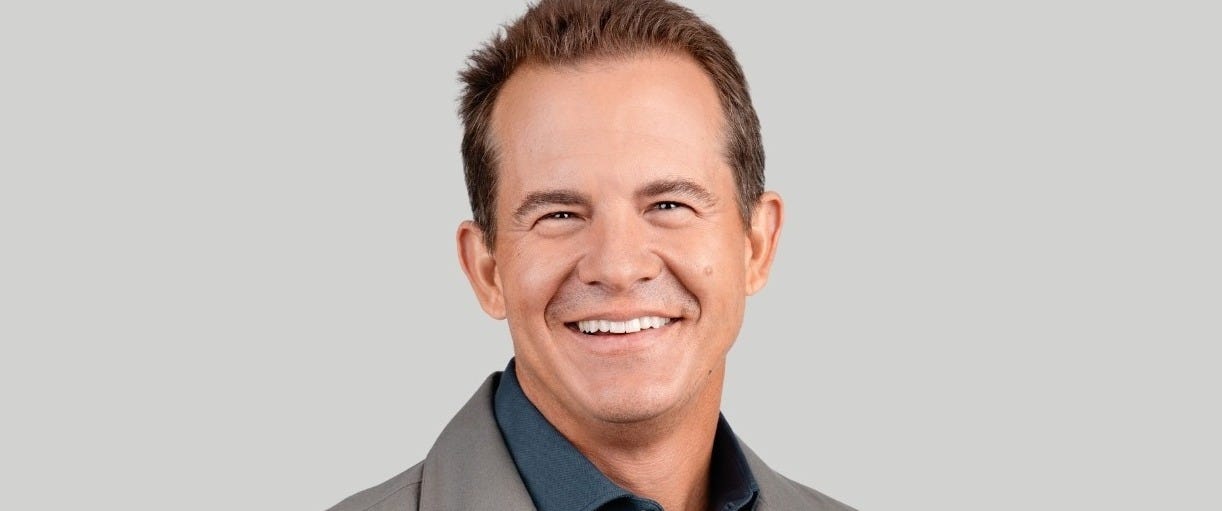
I turned to Byron Deeter of Bessemer Venture Partners to find out what a celebrated SaaS investor does when the category feels imperiled.
Bessemer Venture Partners has built its reputation on exactly the kind of unglamorous, infrastructure-adjacent bets that defined the last era with early investments in Docusign, Twilio, and Shopify. The type of quiet plumbing that powered a decade of enterprise software.
Bessemer also publishes the widely read Cloud 100 list. What began 10 years ago as a ranking of the top cloud startups has since become — along with the industry itself — mostly a collection of AI startups. OpenAI has topped the list in the last three years running.
All of which puts Bessemer squarely at the center of a debate now consuming the industry: whether all the spoils of the AI era will be taken up by the foundation model companies, or whether a viable application layer can survive on top of them.
Bessemer is hedged somewhat here — the firm invested in Anthropic’s Series D round and has followed on since then. But its broader strategy has been to bet heavily on the application layer, specifically on AI-native companies built from the ground up, which he says will take share from the legacy SaaS players retrofitting AI onto existing products.
That means many of today’s public SaaS companies, though not all, are indeed facing a tough future, though not for the reason that investors seem to think.
Deeter’s view is clear: “I believe that the death of the application layer has been wildly overstated, and that AI-enabled applications will provide immense business value and create a wave of wonderful companies ahead,” he told me.
The case he laid out is that the AI era is reformulating the cloud stack. Back then, cloud hyperscalers like AWS and Google provided a platform for a new generation of lucrative companies — your Zooms and Slacks — that never owned a server but built enormous businesses on top of the infrastructure.
In the AI version, foundation model companies play that platform role, with a lucrative opportunity sitting in the application layer above them: verticalized software aimed at specific industries and workflows. That’s Bessemer’s bet behind EvenUp, an AI service focused on injury lawyers, and Abridge, which turns doctor-patient conversations into clinical notes.
The math Deeter uses to justify the opportunity starts with the data center buildout, which he pegs at around $5 trillion over the next decade and trickles upward. At the bottom of the stack, Nvidia sells chips to data centers; data centers sell capacity to foundation models; foundation models sell capacity to application providers; application providers sell tokens to business customers. He applies a 9x multiplier to account for compounding margins at each layer.
By that math, “you’ve got about a $45 trillion software market that’s about to blow wide open.”
It’s a bold claim — and a somewhat circular one. Deeter is using the data center buildout as evidence of demand, but the buildout is itself partly driven by speculative bets on future demand. He’s essentially arguing that the size of the bet proves the bet is right.
Still, the size of that market is why he believes there will be far more winners in the group than just the foundation model companies. “I don’t think that the world consolidates down to four software vendors.”
Such an outcome wouldn’t be the worst thing—“It would be great for Anthropic investment! But it goes against the history of markets and tech.”
SaaS-Pocalypse
Last fall, Bessemer hosted a dinner for reporters, the kind where VC firms match up early stage startup founders with reporters and we all make polite conversation while partners unspool their talking points about tech. Even back then the mood on Saas was already dour.