


The Week In Short
Gail Slater’s departure from the DOJ raises fresh fears that antitrust policy will be replaced by White House deal-making. The executive exodus at xAI after the SpaceX merger includes co-founders Tony Wu and Jimmy Ba. Eric and Keith Rabois talk fintech and spar over ICE raids. Anthropic raises $30 billion as new Ramp data shows it making big gains on OpenAI. Databricks also raises billions. Masha Bucher is exposed for ties to Jeffery Epstein, and as usual has a good story. Xavier Niel’s Station F in Paris goes big as US VCs join new startup accelerator program. The crypto slide claims more victims. Big AI falls in line with electricity price caps. Felicis adds two new partners.
The Main Item
After Gail Slater’s Exit, Antitrust Hawks & Doves Can Agree on This: Decisions Shouldn’t Ride on White House Friendships
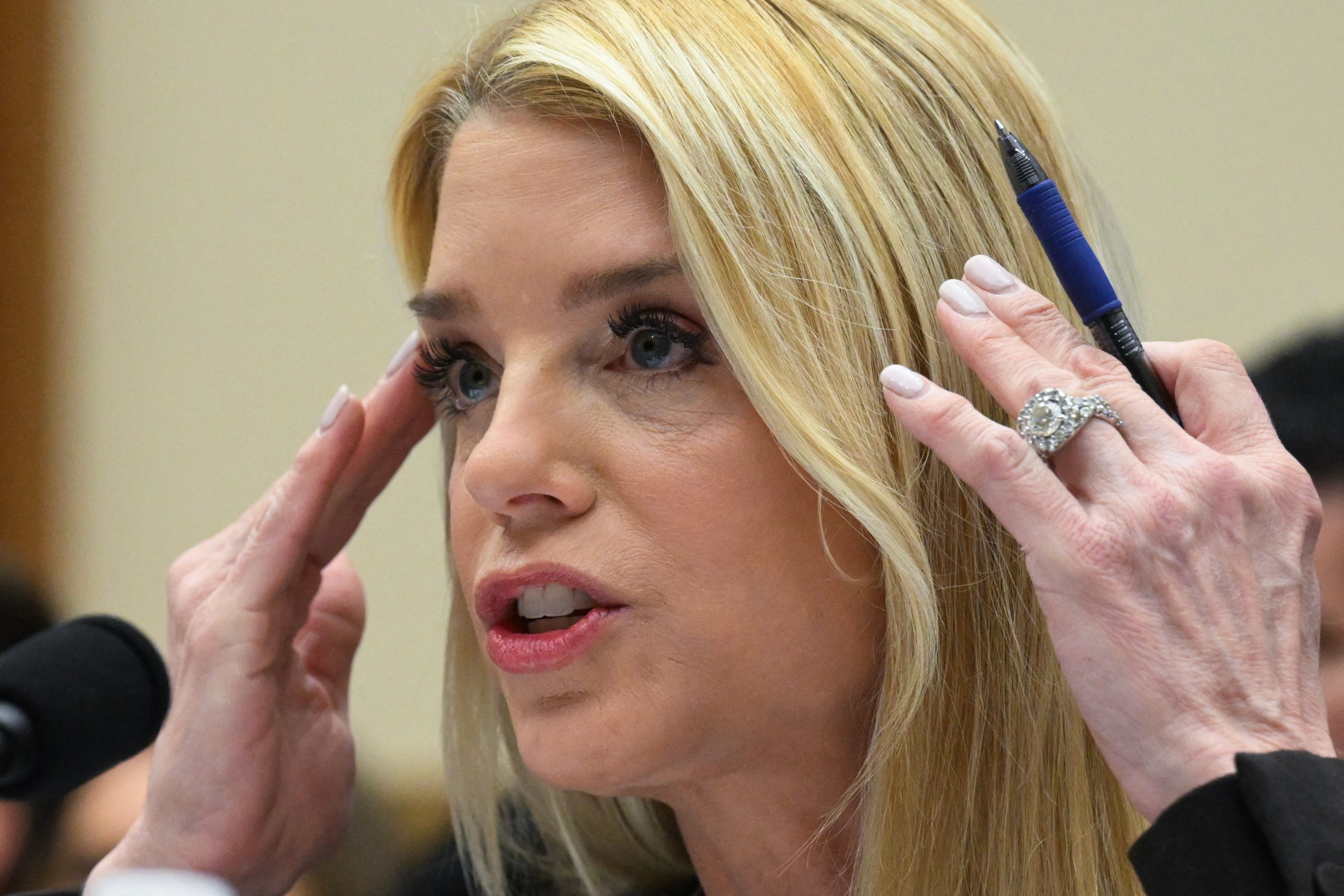
How the second Trump Administration would approach antitrust enforcement has always been a question mark, with populist MAGA factions calling for tough action against corporate oligopolies while more conventional Republicans urged a hands-off approach. The tech industry, burned by the Biden Administration’s aggressive posture under Lina Khan, has mostly been in the later camp.
The departure this week of the Justice Department’s top antitrust official, Gail Slater, is seen in some quarters as a win for the old school free-market Republicans. But it’s more likely a sign that we’re in for antitrust enforcement that’s neither tough nor soft, but simply dependent on the situational preferences of the President.
Slater had previously worked for Vice President JD Vance, one of the Administration’s populists, but also had a track record as an internet company lobbyist; she won bi-partisan Senate approval as the top antitrust cop by a bigger margin than any Trump nominee save Marco Rubio.
Yet Slater fell out of favor with the White House. Her boss, Attorney General Pam Bondi, recently blocked her from replacing her own chief of staff. While Slater portrayed her departure as voluntary, it appears she was forced out, with the Guardian reporting she’d lost the confidence not only of Bondi but also of Vance.
A big issue was an ongoing battle over the Administration’s decision to green-light a combination of HPE and Juniper Networks after Slater had sued to block the deal. That decision allegedly came after heavy lobbying by people close to the President and led to the firing of two of Slater’s deputies who opposed the settlement. One of them said on the way out that the DOJ had “perverted justice,” and a group of state AGs is now demanding a review of the accord.
Companies facing antitrust scrutiny are now pouring resources into lobbying Trump directly, even though the Justice Department is supposed to be an instrument of the law, not the White House. Live Nation, the entertainment conglomerate that the DOJ is trying to break up, hired Trump whisperer Kellyanne Conway, among others, in a high-dollar lobbying blitz to persuade him to intervene in the case.
Trump made his approach clear late last year when he declared that he would be involved the outcome of the Warner Bros. Discovery takeover battle. He later walked that back, but as in so many other things Trump has made it obvious that he has no compunction about putting his thumb on the scale if he’s inclined, while also making no secret of what might cause him to be so inclined.
In that context, an experienced mainstream lawyer like Slater was a bulwark against corruption, whether or not you agreed with her prosecutorial choices.
The fate of the Live Nation case, scheduled to go to trial next month, will be telling. Many antitrust observers believe the Obama-era DOJ’s decision to allow the dominant owner of event venues to buy the Ticketmaster ticketing business in 2010 was a grave error, with the combined company ratcheting up fees and dictating the economics of live entertainment. The current case seeks to undo that merger.
Tech leaders often argue that blocking mergers or regulating Big Tech is foolish, because things change very fast and new competitors are always popping up. Live Nation, though, is not that case. Consumers and artists have for years endured high fees and other Live Nation practices that to any layman — and multiple generations of antitrust lawyers — look like the very definition of abusive monopolistic behavior.
Live Nation shares jumped 2.5 % amid a broader market rout Thursday as investors bet that Slater’s departure improved the odds of a favorable settlement. If that case goes by the wayside, we’ll know for sure that the populists have lost — and what we have instead is an antitrust policy based on politics and favor-trading.
As VC Keith Rabois noted in his appearance on the Newcomer podcast this week, “business leaders feel the need to cozy up to Trump.” But policy that stems from the moods and the personal interests of the President, or the lobbying horsepower of his friends and associates, isn’t a policy at all. The tech world needs something much better on antitrust questions that will determine the shape the world’s most critical industry.
Newcomer Podcast
Keith Rabois Talks Tech Investments, Battles With Eric Over Politics
Keith Rabois, the prominent Khosla Ventures partner, joined the Newcomer Podcast this week for a wide-ranging and sometimes-heated discussion that covered tech, venture capital, and politics.
The conversation kicks off with Brex’s acquisition by Capital One and what it means for Ramp. From there, it goes into Rabois’s view that the key to startup success is building something customers want in a sector where you also have a unique and consistent advantage.
Then it gets spicier, with Eric taking on the Trump-loving Rabois over corruption, tech’s relationship with the administration, immigration (including H-1B and O-1 visas), free speech, and foreign policy (including China, Europe, and the Middle East).
AI Shakeups
Musk Orders a Reorg After xAI’s Exodus
The AI landscape was rocked this week by an executive shakeup at xAI, where the talent wars, an exit opportunity for early employees, and the stresses of working for an Elon Musk company that’s playing catch-up are all taking a toll.
Two co-founders, Tony Wu and Jimmy Ba, said on X early this week that they were leaving the lab. Co-founder Greg Yang left last month, albeit for personal health issues surrounding a Lyme Disease diagnosis. Seven prominent members of the technical staff then made it known publicly they were headed out the door. (The departures also spawned several employees to troll-post that they were leaving on X.)
Outside of the co-founders, the known departees include: