The Week in Short
Thinking Machines sees two co-founders return to OpenAI. Talent wars spread as Cursor joins the fray. OpenAI & Anthropic show healthcare ambitions. AI drug discovery gets fresh attention as biotech rebounds. Credit card data suggest OpenAI growth moderating. Sam Altman’s brain implant company lands $252 million. Skild AI taps robotics craze. Microsoft & Anthropic get cozy. Coinbase flexes & crypto bill stalls.
The Main Item
OpenAI Lures Back 3 Top Researchers, Cursor Enters Talent Sweepstakes
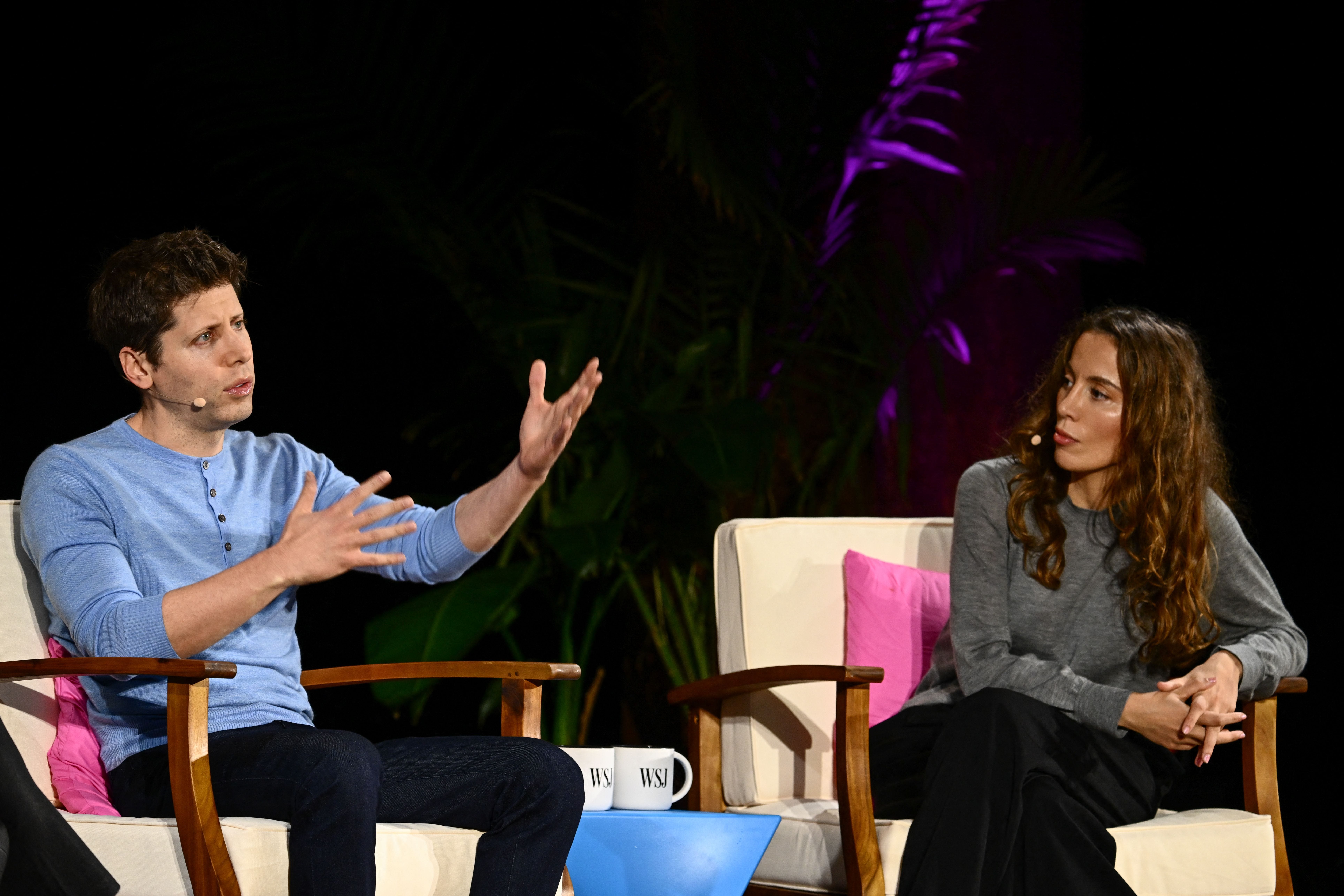
The news this week that Thinking Machines co-founders Barret Zoph and Luke Metz are quitting the much-hyped AI startup to return to OpenAI is a big blow to the Mira Murati-helmed company and its backers, led by Andreessen Horowitz.
Last we read, Thinking Machines had been looking to raise $4 billion to $5 billion at a valuation of as much as $50 billion. These high-profile departures have got to worry prospective investors.
The new recruits are a welcome win for OpenAI, which has lost numerous researchers to Meta, Anthropic, and others over the past year, in addition to the spin-outs of Thinking Machines and Ilya Sutskever’s Safe Superintelligence. The shakeup is a sign of how the AI talent wars are continuing to rage unchecked, with implications for startups and investors up and down the value chain.
We heard this week from well-placed sources that even some top application-layer companies, led by Cursor, are now rolling out 8-figure offers. The coding app is said to have lured one especially brilliant intern with a $20 million package.
With so much value attributed to just a few people, we’re likely to continue to see talent raids as well as acquihires in various configurations, even as the playbook for these deals continues to be a work in progress. It wasn’t long ago that “founder quits for $100 million job offer” was pretty far down the list of risk factors for VC investors, but not any more.
Alex Heath reports that other Thinking Machines employees are also looking at returning to OpenAI. Researcher Sam Schoenholz is going back along with Zoph and Metz, and another co-founder, Andrew Tulloch, left for Meta late last year.
Investors are finding themselves on both sides of the table in talent fights: a16z led the $2 billion initial funding round last July that valued Thinking Machines at $12 billion, and is also a major backer of OpenAI. Firms like Andreessen are effectively giving competing companies money to get into a bidding war with each other over talent.
As intimated by reports that Thinking Machines believes Zoph and Metz engaged in “unethical conduct,” tensions over the intellectual property that lives mainly in the minds of top researchers can raise tricky legal questions. We haven’t yet seen a major lawsuit alleging that a top AI talent stole secrets — think Anthony Levandowski and Uber vs. Google — but that’s probably only a matter of time.
It’s hard to know whether the unprecedented compensation being offered to top AI engineers truly reflects a radical shift in which a much higher portion of an enterprise’s worth is due to the skills of just a few people, or whether it’s more an artifact of extraordinary valuations in a bubble moment.
If it’s the former, that has some big implications for the future of the cap table.
Top talent leaving a young and well-funded startup for comparatively mature OpenAI could be seen as indication that it’s the latter. As with Daniel Gross and Nat Friedman, who co-founded Safe Superintellience along with Sutskever only to quit in favor of fat paydays at Meta, Zoph and Metz might simply have opted for the bird in hand.
Either way, even the biggest and best-funded AI startups now have another large and fast growing ledger entry — alongside their insatiable need for compute — as they battle their huge, cash-generating Big Tech rivals. They’ll need a hell of a work environment.
Healthcare News
OpenAI & Anthropic Take on the Healthcare While Biotech Rebounds
OpenAI and Anthropic both showed their ambitions around healthcare at the big JPMorgan Healthcare Conference in San Francisco this week — and it wasn’t necessarily good news for AI startups looking for a piece of the pie.
Last week OpenAI rolled out both ChatGPT Health, a version of its flagship app featuring integration with consumer healthcare information and devices, and OpenAI for Healthcare, a platform for medical professionals and institutions to build AI tools and integrate patient information. This week it followed up with the acquisition of a fledgling consumer health app called Torch for a reported $100 million.
Anthropic, meanwhile, launched Claude for Healthcare on Sunday, an enterprise-focused platform which will build tools for medical professionals that are HIPAA compliant from the get-go.
Big healthcare buyers already see AI tools, especially administrative assistants for physicians and techs, as a given, says Alysaa Co, a partner at Bain Capital Ventures. She noted that several providers had told her that these tools, known as “scribes,” are here to stay, and many big health systems are now looking to what’s next.
But that doesn’t mean they’re looking to startups when it comes to the administrative end of patient care. A lot of big providers would rather build on top of the big AI models to create in-house tools, and OpenAI and Anthropic just made that a lot easier.
It’s a happier story for startups in biotech, which saw a rush of IPOs and big funding rounds late last year, per Axios’ Dan Primack.
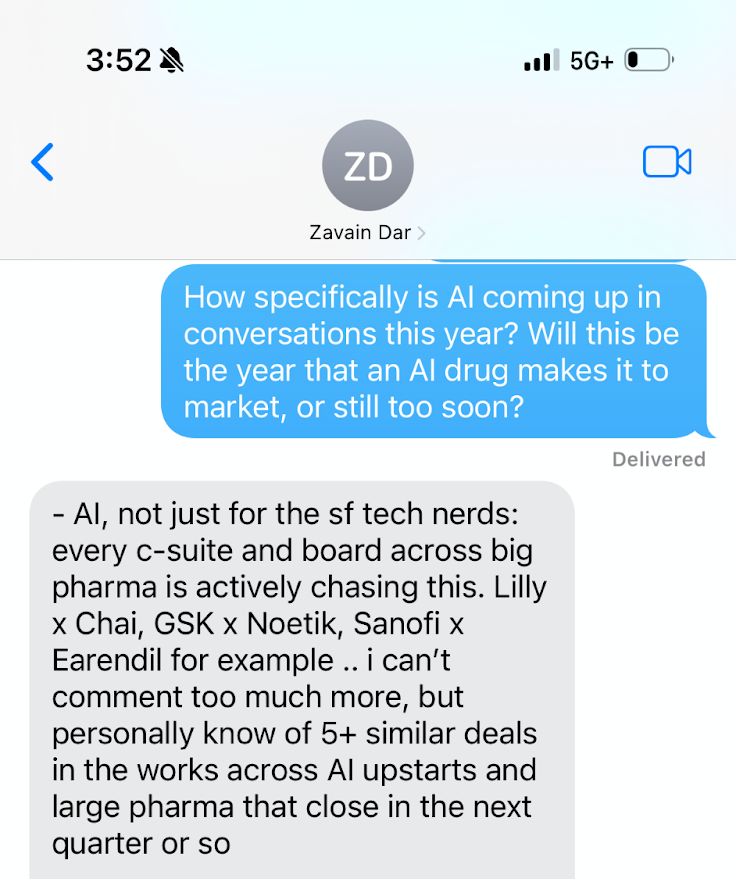
In AI drug discovery, Dimension Capital general partner Zavain Dar said he’s seeing partnerships between AI startups and big drug manufacturers pop up left and right.
A few other healthcare thoughts:
At a Newcomer dinner co-hosted with AI healthcare startup Akido and Samsung Next, it was clear that the health tech startup founders are looking for high quality data to train their models and build better products for patients.
Unpredictability and incompetence at the FDA and the CDC has people nervous. Former CDC Chief Medical Officer Debra Houry gave the Trump administration an “F” in terms of its performance at CDC. Also at the dinner, we heard from a company exec who was worried that the FDA was using AI to reply to questions when reviewing drug safety.
Longevity startups are having a moment, a notable shift in how the larger healthcare industry views preventative medicine. Personalized medical testing startups Function Health and Superpower came up a lot in investor conversations. In a big win for the sector, Loyal, which is building life-extending drugs for dogs, landed FDA approval for its signature drug on Tuesday — a major step for a company which eventually wants to make longevity drugs for humans.
One Big Chart
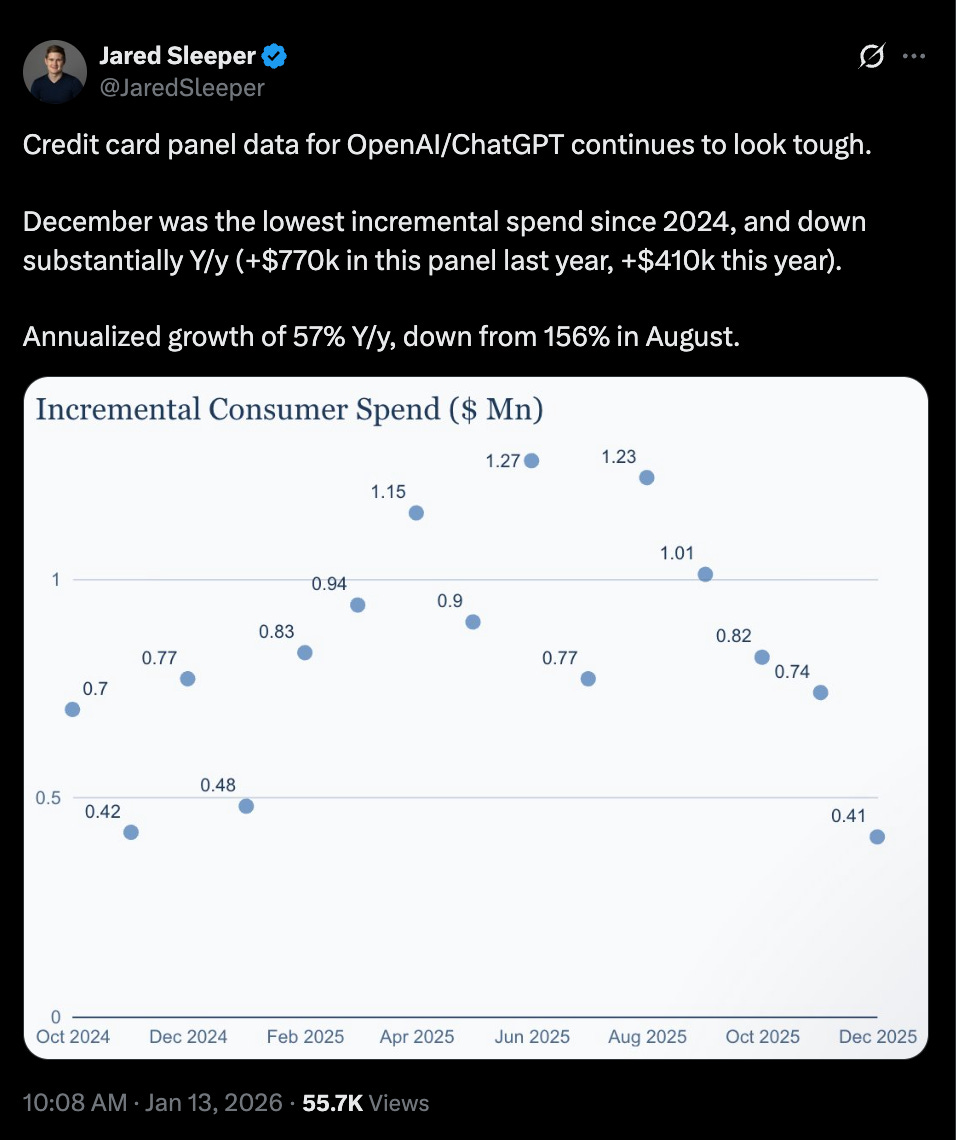
OpenAI Credit Card Spend is Leveling Off, New Data Shows
OpenAI’s customer spending growth rate slowed at the end of 2025.