


The Week In Short
AMD faces down investor fears that its AI deals are looking a bit too intertwined with customers. Gary Marcus explains why he thinks the big AI companies are on shaky ground on the podcast.The first Nvidia earnings call post-Jensen Huang beat Wall Street expectations, but that wasn’t enough to rally the stock for long. Google’s new model Gemini 4 Neon proves wrong the critics who said it fell out of the AI race. Palo Alto Networks scoops up Applied Compute for $4.5 billion. Kalshi faces multiple investigations around whether or not it’s circumventing state gambling laws. The cyber outages continue to pile up. California and Arizona take action against OpenAI. European VCs push to establish their standing at Slush.
The Main Item
Circular Financing & China Worries Hit Nvidia Rival AMD as Markets Turn Against the AI Trade
It was remarkable to see Anthropic’s IPO plow through the various bits of worrying news that are piling up for the AI industry, with the core thesis of the investing mania very much intact.
The argument that chip companies investing in their customers is a dangerous form of circular financing akin to the telecom bubble of the early 2000s is very much intact too. And it’s not just Nvidia.
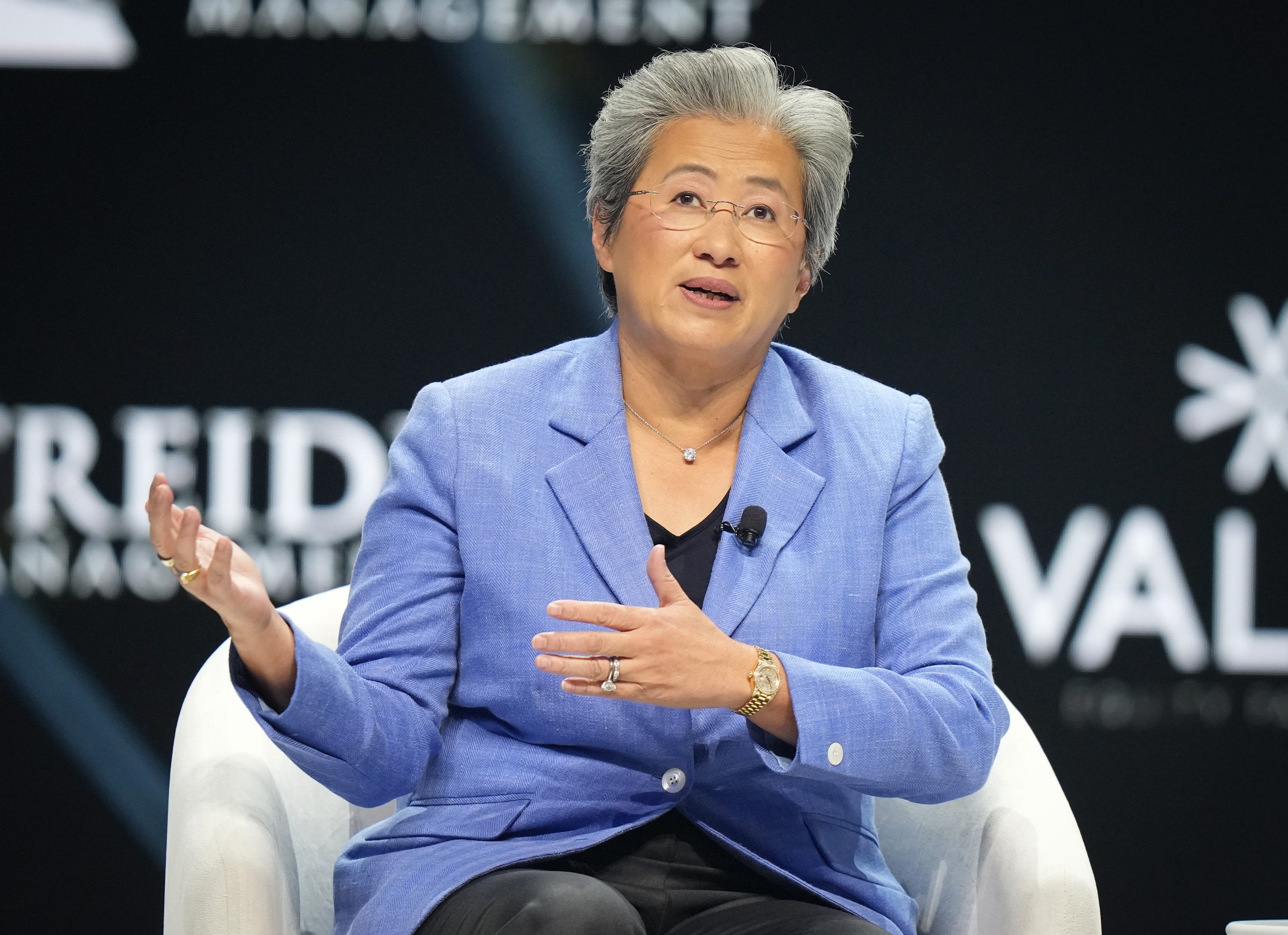
Hunterbrook, a short-seller that’s built an investigative journalism arm, said in a report entitled “Bank of AMD” that the number two player in AI chips has run an extensive customer-financing-and-investing operation that features “all of the circular financing of Nvidia, but without the margins or pricing power.” In a separate story, Hunterbrook said AMD has a China problem too, in the form of updated chip firmware being delivered to multiple blacklisted Chinese entities.
The news added fuel to a broad selloff in tech stocks that was hitting even newly public Anthropic on Friday.
Like Nvidia, AMD also sells lots of chips to Asian neoclouds that serve China’s big tech companies, and those revenues are at risk from new US government export control rules. AMD said the Hunterbrook reports didn’t properly represent its business, but shares fell almost 10% on the news. “If the smoke surrounding Nvidia becomes an inferno for the AI build-out, AMD will be engulfed by the flames,” Hunterbrook Capital said.
It’s of course helpful for Jensen Huang and Nvidia if AMD’s CEO, the widely respected Lisa Su, was doing some of the same things in pushing the envelope on deal-making and China sales (though no one is accusing her of improper personal conduct). But it’s decidedly not helpful for the startup ecosystem if another company that has been a major financier of the AI buildout has to slow or stop spending.
A lot of entities are getting cold feet about the bubbly extremes of the AI trade. Big Wall Street investment firms that promised in August to pony up some $500 billion in loans for data centers have yet to dispense a dime, the Wall Street Journal reported Wednesday.
For months, investors have been waiting for the Anthropic IPO as the definitive validator of the industry and a counterpoint to all the talk about bubbles. It went off better than anyone could have expected. And yet, across the AI industry, a lot of people are selling on the news.
Broader markets took a beating Thursday — it was only Anthropic that soared, and maybe not for long. Investors and entrepreneurs won’t be breathing easy for quite a while yet.
Newcomer Podcast
Is OpenAI Becoming the WeWork of AI? | Gary Marcus
Nvidia Woes
Nvidia’s Earnings Call Couldn’t Quell Doubts About its Post-Jensen Huang Future
Nvidia on Tuesday reported earnings that comfortably beat Wall Street expectations, with quarterly sales surpassing $100 billion for the first time. The figures were enough to rally the stock briefly, but it fell back Wednesday and closed down 3.3% at $146 Thursday. New board chair Harvey Jones didn’t sound like a replacement CEO was coming anytime soon and ruled out reinstating Jensen Huang as CEO following his forced resignation last week.
Chatter about a Huang comeback kicked up again after he said he’d be willing to return as CEO if the board asked, and three directors have privately pushed for him to be reinstated, per Semafor. Yet the gravity of the allegations relating to possible export control violations, to say nothing of affairs with a major customer and employees, makes a comeback unlikely.
Altimeter’s Brad Gerstner said the letter he sent the board Friday, widely seen as endorsing a Huang comeback, was not that, and he doesn’t want the board to “take shortcuts” in its investigation.

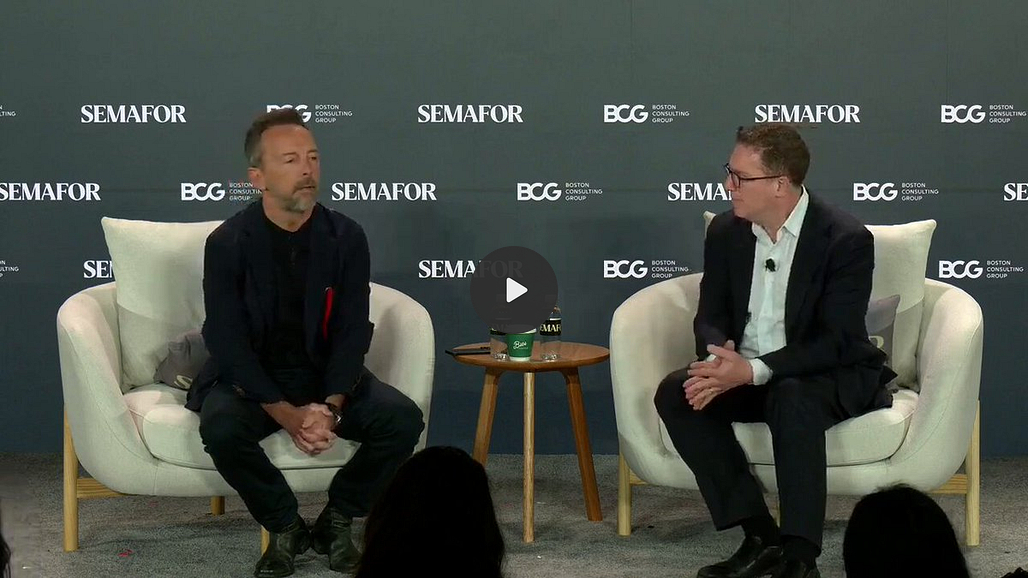

Ben Thompson at Stratechery, meanwhile, wrote an informal obituary for the Nvidia of old and doesn’t see how the company can hold onto its status post-Huang, given how crucial his relationships were with TSMC, neocloud customers, and the startups he backed.
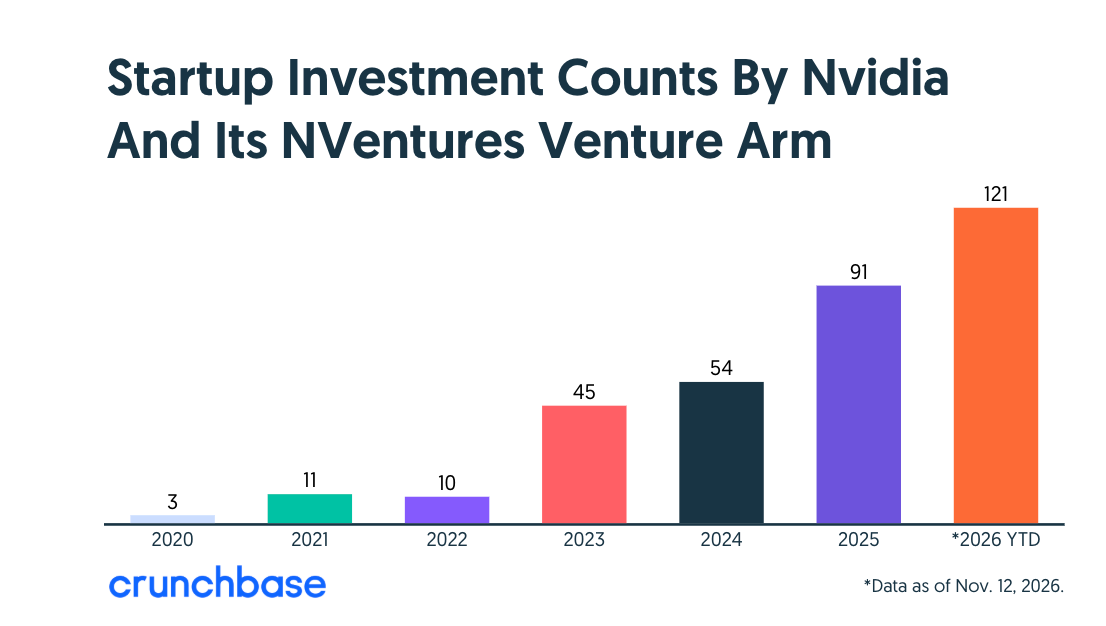
The biggest immediate concern in startup land is interim CEO Colette Kress making it clear that she intends to dial back Huang’s aggressive dealmaking. Per data from Crunchbase, Nvidia and its venture arm, NVentures, have made a record 121 investments so far in 2026, with the pace of deals accelerating year by year since its 2023 base.
The Empire Strikes Back
Google Regains its Footing in the Frontier Model Competition
Amidst all the Anthropic hoopla, it was easy to miss a hugely important piece of news: Google has reestablished itself in the AI model race.
This week it released Gemini 4 Neon, a medium-sized model that had long been in the works. According to the benchmarks, Neon is ranking at or near the top of the most powerful models. And, maybe more importantly, it’s getting good reviews on X from the AI tastemakers who seem to have influence on how these models are adopted.
Google has struggled with its latest Gemini models. Gemini 3.5 Pro was delayed and its previous smaller models were not matching up with Anthropic and OpenAI (and even SpaceX). That kicked off an increasing sense within the AI world that Google was struggling — SemiAnalysis went as far as to flatly declare it cooked and out of the race. “DeepMind is no longer a frontier lab,” they wrote.
SemiAnalysis is a respected outfit when it comes to covering AI models and infrastructure, and kudos to them for going out on a limb with a bold declarative assessment. But it always rang hollow to anyone who has followed the progress of AI models. One of the recurring lessons of AI is that if a lab has the talent and the computing resources, it is never out of the mix. Certainly a lab can be waylaid by bad management and unsuccessful model runs, as DeepMind was, but to fully count them out doesn’t make sense. We’ve been here many times before: OpenAI after GPT-5, Anthropic after Opus 5, and xAI/SpaceX countless times. The individual moat for the frontier labs is far shallower than people like to think.
SemiAnalysis was humble about it and (now former) DeepMind leader Demis Hassabis was good natured in response. But a lesson learned? Probably not.
Six Notable Deals
Applied Compute, Mailchimp, Isomorphic Labs, Genesis AI, Payhawk, Boltz
Palo Alto Networks continues its AI shopping spree with Applied Compute. Plus, Isomorphic Labs and another UK AI biotech land big rounds.